 dominic
Research peptides sourced from a US peptide supplier serve legitimate scientific and laboratory purposes, but they create specialized disposal challenges that directly impact your facility’s plumbing and wastewater systems. If you operate a research lab, medical testing facility, or educational institution in the Seattle area, understanding how peptide compounds interact with drain lines and municipal sewer infrastructure isn’t optional. It’s a compliance requirement that protects both your property and the broader environment.
Unlike household chemicals, research peptides require strict handling protocols from storage through disposal. Pouring these compounds down standard drains can corrode pipes, contaminate wastewater treatment processes, and expose your business to significant regulatory penalties. We’ve seen commercial properties face costly remediation after improper chemical disposal damaged their plumbing systems, sometimes requiring complete repiping of affected sections.
The intersection of laboratory operations and plumbing infrastructure demands specialized knowledge. Your drainage system wasn’t designed to handle complex biological compounds without proper neutralization and dilution procedures. Even trace amounts of certain peptides can create biofilm buildup, attract pests, or interfere with the beneficial bacteria that wastewater treatment facilities depend on. Seattle’s strict environmental regulations make this issue particularly relevant for local businesses handling research chemicals, whether you’re running a biotech startup or managing a university laboratory. This guide addresses the practical plumbing considerations every facility manager needs when research peptides enter the equation.
The Hidden Threat: How Research Chemicals Enter Your Plumbing
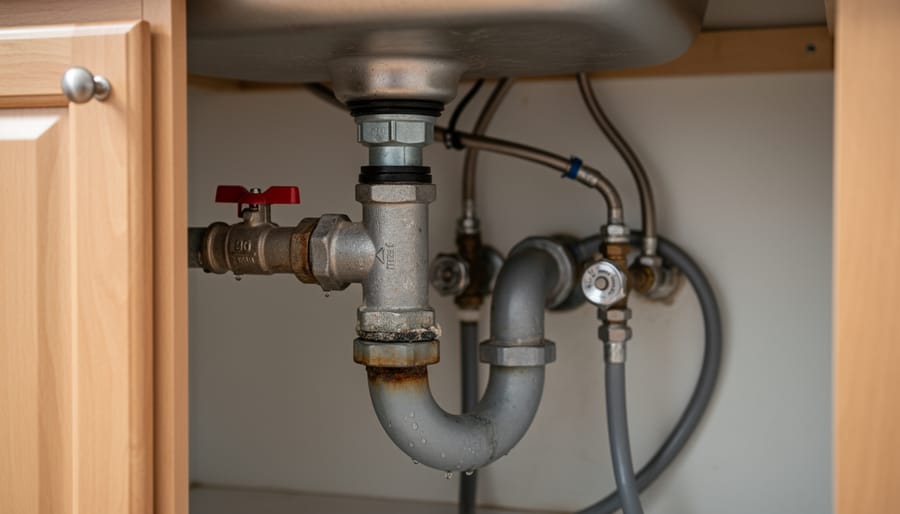
Most research chemicals never make it into plumbing systems through deliberate routes. The contamination happens through subtle, everyday oversights that laboratories and facilities barely notice until the damage is done.
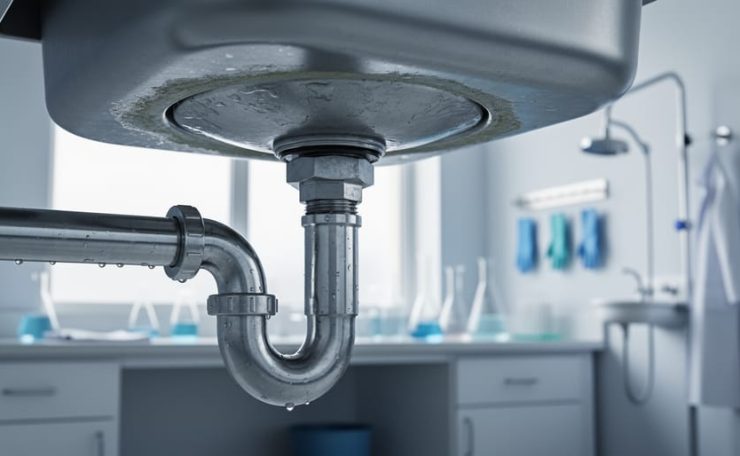
Laboratory sinks serve as the most direct pathway. Researchers rinse glassware, clean spill sites, and wash equipment under running water without realizing residual peptides and compounds travel straight into municipal drains. A single contaminated pipette can introduce concentrated chemicals into your plumbing infrastructure. Small research operations often lack dedicated chemical disposal systems, making the problem worse.
Commercial facilities face different challenges. Multi-tenant buildings with shared plumbing may house both standard offices and small labs on separate floors. When one tenant disposes of research materials improperly, the entire building’s plumbing bears the consequences. The chemicals move through interconnected pipes, settling in joints and creating corrosive environments that standard residential systems were never designed to handle.
Accidental spills create immediate contamination events. A dropped beaker, an overfilled container, or a storage cabinet leak sends chemicals toward the nearest floor drain. These emergency situations bypass all proper disposal protocols. The peptides react with soap residues, cleaning chemicals, and organic matter already present in drain lines, forming compounds that accelerate pipe deterioration.
Home-based operations present their own risks. The rise of biohacking and personal research means some residential properties now handle materials that belong in controlled laboratory environments. Kitchen sinks and bathroom drains become disposal points for substances that corrode copper fittings and degrade PVC joints. Improper disposal can block drains and create hazardous backups that require professional intervention.
The invisible nature of these contaminants makes early detection nearly impossible. Unlike visible clogs or obvious leaks, chemical damage progresses silently until a catastrophic failure forces attention to the problem.
What Research Peptides and Lab Chemicals Do to Your Pipes
Impact on Water Heaters and Hot Water Systems
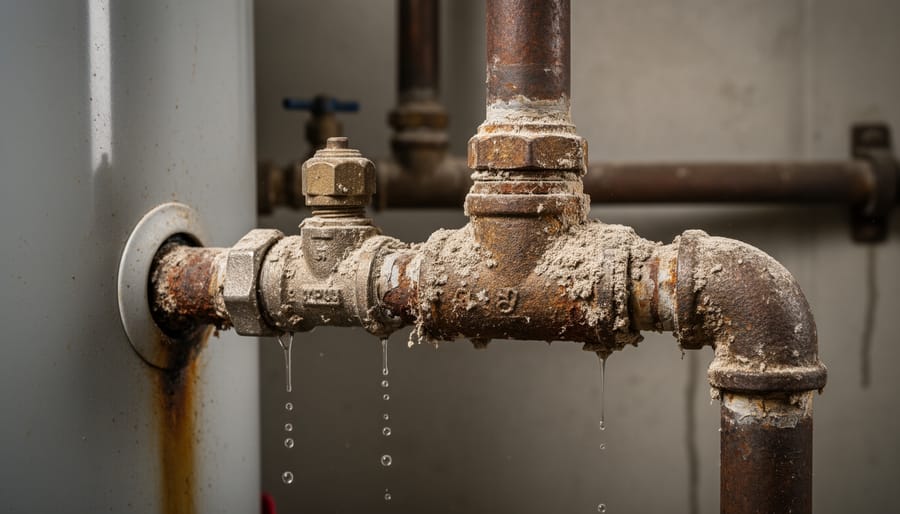
Water heaters face accelerated deterioration when exposed to chemical contaminants, with tankless models being especially vulnerable due to their narrow heat exchanger passages. Research peptides and laboratory chemicals create corrosive conditions that attack heating elements, anode rods, and internal components at rates far exceeding normal mineral deposit damage.
Traditional tank-style water heaters suffer from chemical-induced sediment accumulation that differs significantly from typical mineral buildup. When peptides or other research chemicals enter the system, they can trigger precipitation reactions with existing minerals in your water supply, creating dense, corrosive layers at the tank bottom. Sediments contribute to corrosion by creating oxygen-depleted zones beneath the layer, where anaerobic chemical reactions accelerate metal degradation. This process often goes unnoticed until the tank develops pinhole leaks or complete failure.
Tankless water heaters experience even more severe problems from chemical contamination. The compact heat exchangers contain passages as narrow as pencil lead, which clog rapidly when exposed to chemical precipitates. Chemical residues also attack the copper or stainless steel heating coils, creating microscopic pitting that reduces efficiency and leads to catastrophic failure. Since these units lack the buffer capacity of traditional tanks, exposure to contaminated water produces immediate performance issues.
Chemical damage compounds many common pipe issues throughout your system, making water heater protection essential for facilities anywhere near potential contamination sources.
Laboratory and Commercial Facility Requirements
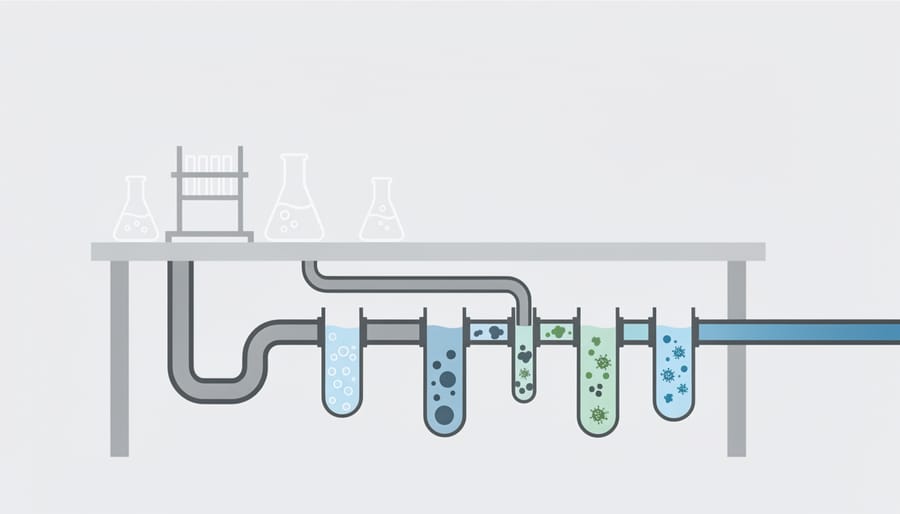
Facilities that regularly handle research peptides and laboratory chemicals require fundamentally different plumbing infrastructure than standard commercial buildings. The difference isn’t merely regulatory, it’s structural, starting with the materials themselves.
Standard commercial plumbing relies on copper and PVC because they handle everyday wastewater reliably. Laboratory settings demand chemical-resistant materials like polypropylene, PVDF, or specialized epoxy-coated pipes that withstand repeated exposure to solvents, acids, and reactive compounds. Your facility’s drainage system needs dedicated waste lines separate from sanitary sewers, preventing cross-contamination and protecting municipal treatment plants from chemical shock loads.
| Component | Standard Commercial | Laboratory-Grade |
|---|---|---|
| Drainage Material | Copper, PVC | Polypropylene, PVDF, epoxy-coated |
| Waste Lines | Combined sanitary | Dedicated chemical waste system |
| Neutralization | Not required | Pre-treatment tanks mandatory |
| Venting | Standard atmospheric | Isolated with scrubbers |
Seattle’s municipal code requires laboratories to install neutralization systems before chemical waste enters city sewers. These pre-treatment tanks adjust pH levels and dilute concentrated compounds to acceptable discharge limits. The King County Wastewater Treatment Division enforces strict thresholds, your facility needs monitoring equipment and documented testing protocols to remain compliant.
Proper laboratory plumbing also includes emergency eyewash stations with tempered water delivery, safety showers tied to alarm systems, and backflow preventers on every potable water connection. The cost difference between standard and laboratory-grade installation runs 40-60% higher, but cutting corners creates liability exposure and infrastructure failure that costs far more to remediate later. Seattle Hot Plumbing works with commercial clients to design compliant systems from the start, ensuring your research operations don’t compromise your building’s plumbing or violate environmental regulations.
Protecting Your System: Prevention and Maintenance Strategies
Whether you operate a commercial laboratory or own a residential property near research facilities, protecting your plumbing starts with awareness and consistent maintenance practices. The key is preventing chemical contamination before it reaches your pipes.
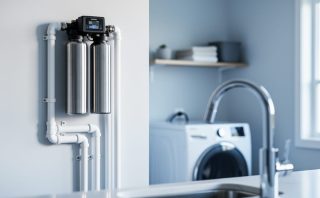
For homeowners, never pour unknown liquids down your drains. If you notice unusual odors, discoloration in your water, or chemical-smelling residue near drain openings, investigate immediately. These are early indicators that contaminants may have entered your system. Installing a water filtration system provides an additional barrier against chemical contamination while improving overall water quality throughout your home.
Commercial facilities handling research chemicals need rigorous disposal protocols. Establish designated chemical waste collection points that bypass standard plumbing entirely. Train all staff on proper disposal procedures and post clear signage near sinks and drains. Even trace amounts of peptides or laboratory reagents can accumulate over time and damage your infrastructure.
Regular drain maintenance becomes critical in preventing chemical buildup. Schedule professional inspections every six months rather than waiting for problems to surface. During these visits, technicians can identify corrosion patterns, unusual residue, or pH imbalances that signal chemical exposure. Investing in plumbing leak detection technology helps catch small failures before they escalate into expensive emergencies.
Watch for these warning signs: metallic taste in water, green or blue staining around fixtures, pinhole leaks in copper pipes, or faster-than-normal water heater deterioration. Pipes that corrode within five years instead of the typical fifteen-plus lifespan indicate chemical exposure. PVC joints that crack or become brittle prematurely also suggest contamination.
For businesses, maintain detailed logs of what goes down each drain. This documentation proves invaluable when diagnosing mysterious plumbing issues and demonstrates compliance with environmental regulations. Install backflow preventers on all laboratory drains to protect the municipal water supply.
The most effective protection combines prevention, monitoring, and rapid response. Address concerns immediately rather than hoping they’ll resolve on their own, because chemical damage accelerates quickly once it starts.
When to Call a Professional: Warning Signs and Emergency Response
Chemical contamination of your plumbing system rarely announces itself with a single catastrophic event. Instead, it presents through a pattern of subtle changes that homeowners and facility managers often mistake for normal wear. Recognizing these warning signs early can mean the difference between a targeted repair and a complete system replacement.
Unusual odors from drains represent one of the earliest indicators. When research chemicals interact with plumbing materials, they create distinct smells that differ from typical sewer gas or organic decay. You might notice metallic, solvent-like, or acidic odors emanating from sinks, floor drains, or near water heater installations. These chemical signatures suggest reactions occurring within your pipe infrastructure that demand immediate investigation.
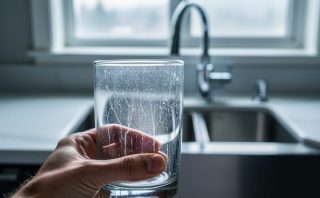
Water discoloration provides another critical warning, particularly if it appears green, blue, or contains visible particulates that weren’t present before. This often indicates copper corrosion accelerated by chemical exposure, though it can also signal breakdown of other metal components. If multiple fixtures show this change simultaneously, you’re likely looking at a systemic problem rather than an isolated fixture issue.
- Persistent unusual odors from drains, especially metallic or acidic smells
- Sudden changes in water pressure or flow rate without apparent cause
- Visible corrosion or pitting on exposed pipes and fixtures
- Unexplained leaks in previously sound pipe sections
- Water heater failure or frequent need for maintenance
- Discolored water appearing across multiple fixtures
When you observe any combination of these symptoms, contact a professional immediately rather than attempting DIY diagnosis. Chemical damage progresses rapidly once initiated, and what seems like a minor issue on Monday can become a burst pipe emergency by Friday. Our 24/7 response team at Seattle Hot Plumbing handles chemical-related plumbing emergencies with specialized protocols that protect both your property and our technicians, ensuring safe assessment and rapid containment.
Protecting your plumbing system from chemical contamination isn’t just about avoiding costly repairs, it’s about safeguarding Seattle’s water infrastructure and environment. Whether you’re a homeowner concerned about neighborhood lab facilities or a business managing research operations, understanding the connection between chemical disposal and plumbing health is essential.
The rise in research peptide availability has created new challenges for wastewater systems that weren’t designed to handle these compounds. Proper disposal protocols, regular system inspections, and professional maintenance form your first line of defense against damage that can cost thousands in repairs and potentially harm our local waterways.
At Seattle Hot Plumbing, we’ve equipped ourselves to handle both everyday plumbing needs and the specialized requirements of facilities working with research chemicals. Our team understands the unique vulnerabilities of modern plumbing systems when exposed to laboratory compounds, and we’re available 24/7 when chemical-related emergencies arise.
Don’t wait until discolored water or corroded pipes signal a problem. Schedule a system evaluation today to ensure your plumbing is protected, compliant, and ready to handle whatever flows through it. Your pipes, and Seattle’s environment, will thank you.