 dominic
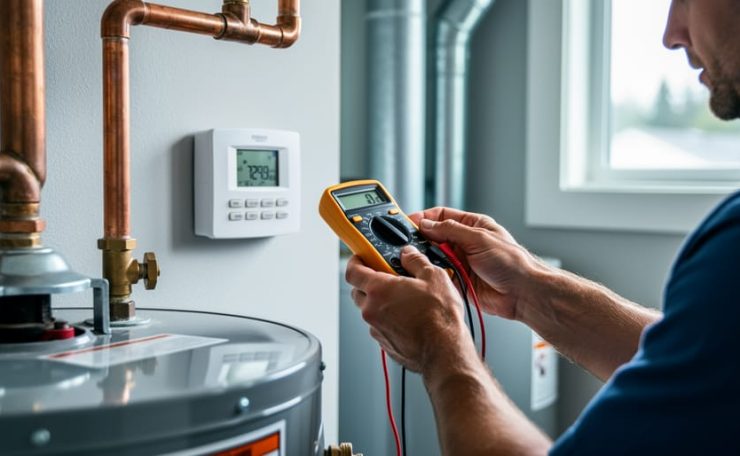
When your hot water stops flowing or your heating system fails on a cold Seattle morning, you’re facing an HVAC repair situation that demands quick diagnosis and the right fix. Most hot water system failures stem from three common culprits: faulty heating elements, thermostat malfunctions, or sediment buildup in the tank. While some repairs require professional expertise for safety and warranty reasons, many homeowners can successfully troubleshoot and resolve minor issues with basic tools and a systematic approach.
Understanding when to DIY and when to call for help protects both your investment and your safety. Electric water heaters operating on 240 volts and gas systems with combustion chambers pose real hazards if handled improperly. That’s why this guide walks you through safe diagnostic steps first, helping you identify problems you can tackle yourself versus those requiring a licensed technician’s skills.
HVAC repair costs in 2026 vary widely depending on the issue. A simple thermostat replacement might run $150-$250, while a full heating element swap typically costs $200-$400 when professionally installed. Tank flushing to remove sediment, one of the most preventable problems, often runs $100-$175 but can be done at home with minimal tools.
For Seattle homeowners, response time matters. Water damage from a failed system compounds quickly, and going without hot water disrupts daily life. This guide equips you with the knowledge to act quickly and confidently, whether that means making a simple fix yourself or knowing exactly what information to provide when calling for 24/7 emergency service.
Understanding Your HVAC and Hot Water System Connection
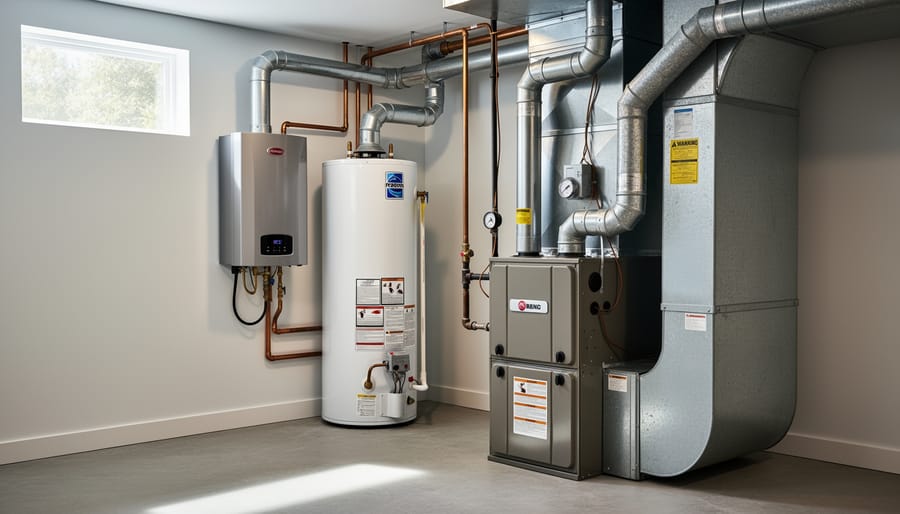
Your home’s heating system and hot water supply often share critical components, especially if you have a boiler or radiant heating setup. In these integrated systems, a single malfunction can disrupt both your climate control and hot water availability, making it essential to understand how these systems work together.
Boiler-Based Systems
Homes with boilers typically use the same unit to heat both living spaces and water. The boiler heats water that circulates through radiators or radiant floor systems for space heating, while also supplying hot water to faucets and appliances either directly or through a storage tank. When your boiler fails, you lose both heat and hot water simultaneously. The heat exchanger, circulating pumps, and zone valves all play dual roles, meaning a problem with any of these components affects your entire comfort system.
Combination and Tankless Systems
Combination boilers, common in newer Seattle homes, heat water on demand for both purposes without a storage tank. Tankless water heaters work similarly but focus exclusively on domestic hot water. These high-efficiency systems share gas lines, electrical connections, and venting systems with your HVAC equipment. A blocked vent, faulty gas valve, or electrical issue can shut down multiple systems at once.
Radiant Heating Integration
Radiant floor or wall heating systems depend on hot water circulating through tubing beneath your floors or behind walls. These systems require consistent water temperature and pressure, controlled by manifolds, mixing valves, and dedicated pumps. Temperature fluctuations or circulation problems can indicate issues affecting your entire water heating system, not just the radiant components.
Shared Components to Monitor
Pressure relief valves, expansion tanks, thermostats, and control boards often manage both functions. The thermostat controlling your home temperature may also trigger water heating cycles in combination systems. Understanding these connections helps you diagnose problems more accurately and communicate effectively with repair professionals.
Safety Precautions Before Starting Any HVAC or Hot Water Repair
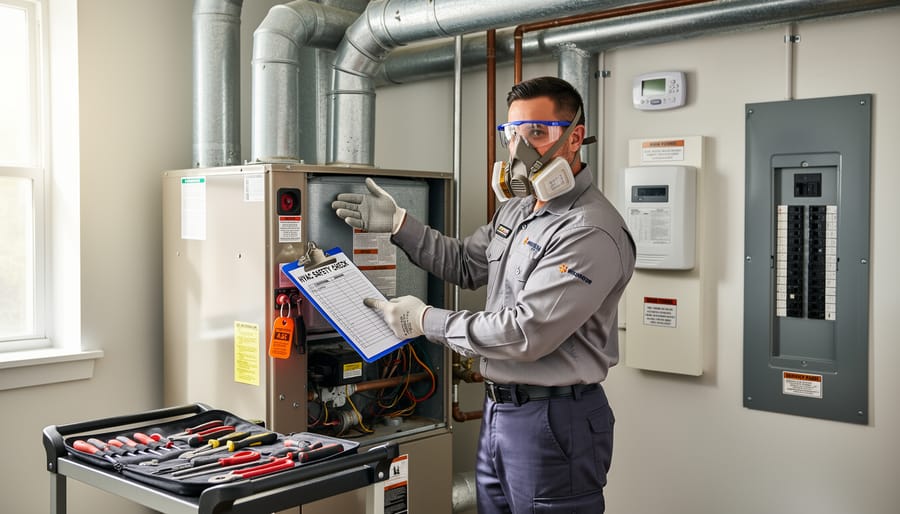
Before you touch any HVAC component or hot water system, protecting yourself and your home is non-negotiable. These systems involve electricity, pressurized water, and potentially natural gas, all of which demand respect and proper precautions.
Start by shutting off power at the circuit breaker for any electrical work on your heating system or water heater. Never rely solely on a wall switch. For gas-powered units, locate the dedicated gas shutoff valve on the supply line and turn it perpendicular to the pipe to close it. If you’re uncertain about gas valve location or operation, don’t guess.
Hot water itself poses scalding risks, especially from tankless systems that can deliver water above 140°F. Allow components to cool before handling, and keep towels ready for inevitable drips when loosening connections. Wear safety glasses when working overhead or near pressurized lines, as even small leaks can spray hot water forcefully.
Know your limits. Complex issues like strange combustion smells, persistent pressure problems, or electrical faults affecting multiple circuits require licensed professionals. Seattle Hot Plumbing’s technicians are available around the clock because emergencies don’t wait for business hours. When safety is questionable, making that call isn’t admitting defeat, it’s protecting your family and property.
Tools and Materials You’ll Need
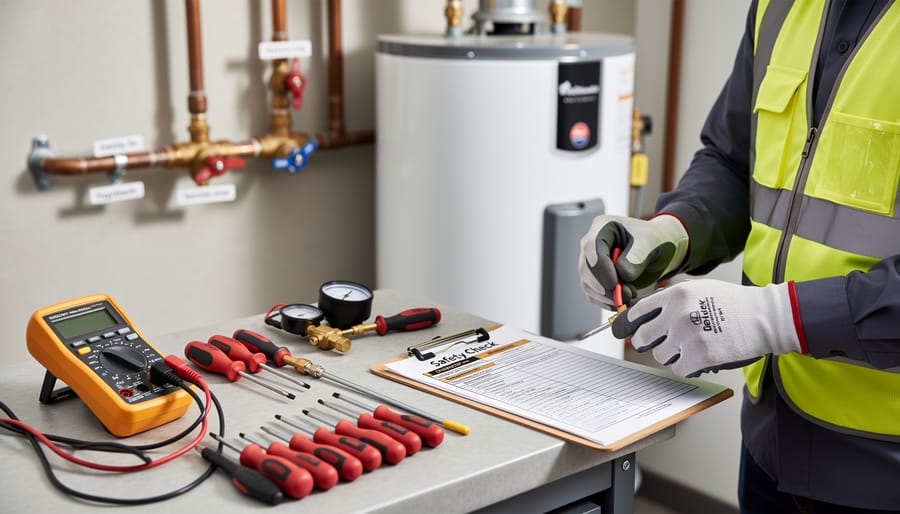
Before attempting any HVAC or hot water system repair, gather the right tools to diagnose problems safely and accurately. Having these items on hand saves time and helps you determine whether an issue is a simple fix or requires professional intervention.
Essential Diagnostic Tools:
- Digital multimeter for testing electrical connections, voltage, and continuity
- Infrared thermometer to measure water temperature and identify heat loss points
- Flashlight or headlamp for inspecting dark equipment areas and basements
- Pressure gauge to check system pressure in boilers and water heaters
- Gas leak detector for identifying potentially dangerous gas leaks before repairs
Basic Repair and Adjustment Tools:
- Adjustable pipe wrench for tightening or loosening water connections
- Screwdriver set (both flathead and Phillips) for panel removal and adjustments
- Pliers and channel locks for grip work on various fittings
- Allen wrench set for accessing internal components on modern systems
- Wire brush for cleaning corrosion from electrical terminals and connections
Safety Equipment:
- Work gloves rated for heat protection when handling hot components
- Safety glasses to protect eyes from debris and escaping steam
- Bucket and towels for catching water during pressure relief valve checks
- Fire extinguisher rated for electrical and gas fires, kept nearby during work
While homeowners can handle basic diagnostics with these tools, professionals at Seattle Hot Plumbing use specialized equipment like combustion analyzers, pressure testing rigs, and thermal imaging cameras for complex repairs. If your initial assessment reveals issues beyond simple adjustments, professional-grade diagnostic equipment ensures accurate identification of problems affecting high-efficiency and tankless systems.
Step-by-Step HVAC and Hot Water System Troubleshooting
Step 1: Initial System Assessment
Start by checking your thermostat settings for both your heating system and water heater. Ensure the temperature is set higher than the current room temperature and that the system is in “heat” mode rather than “cool” or “off.” For systems with dedicated water heater controls, verify the temperature setting typically falls between 120-140°F.
Next, locate and inspect pilot lights if you have gas-powered equipment. A traditional water heater pilot should show a steady blue flame, while boiler pilots may be visible through a small viewing window. If the pilot is out, don’t attempt to relight it yet, first check for gas odors that would indicate a leak requiring immediate professional attention.
Move to your electrical panel and confirm all circuit breakers serving your heating and hot water systems are in the “on” position. A tripped breaker will appear in the middle position between on and off. If you find a tripped breaker, reset it once and monitor whether it trips again, which signals a deeper electrical issue.
Finally, test basic system responsiveness by turning the thermostat up several degrees and listening for your system to activate. You should hear the burner ignite, a blower motor start, or pumps engaging within a few minutes. For tankless water heaters, run hot water at a fixture and listen for the unit to fire up.
Step 2: Diagnosing Common Hot Water System Problems
Start by checking your water temperature at multiple faucets throughout the house. If you’re getting lukewarm water instead of hot, measure it with a thermometer, residential hot water should reach 120-140°F. Anything below that range signals a problem with your heating element, burner, or thermostat setting.
Listen carefully while the system runs. A rumbling or popping sound in tank systems typically indicates sediment buildup on the heating elements, forcing them to work harder and reducing efficiency. High-pitched whistling or banging in tankless units often points to scale formation in the heat exchanger or restricted water flow. Gurgling sounds suggest trapped air or a failing expansion tank.
Check your water pressure at the hot water taps. Weak flow from hot taps while cold taps run normally indicates a clog in your hot water line, a failing pressure relief valve, or sediment blocking the tank outlet. In tankless systems, low pressure might trigger a low-flow error code, preventing the unit from firing at all.
Look for visible leaks around tank connections, pressure relief valves, and pipe fittings. Even small drips waste energy and can signal imminent component failure. For tankless systems, check the digital display for error codes, these pinpoint specific malfunctions like ignition failure, flame detection issues, or overheating sensors.
Test recovery time by running hot water until the temperature drops, then noting how long it takes to reheat. Significantly longer recovery suggests failing heating elements or burners operating below capacity.
Step 3: Inspecting HVAC Components Affecting Water Heating
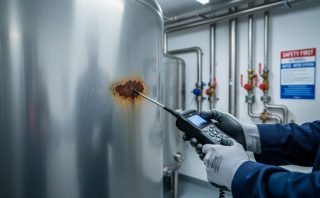
Start by visually examining your boiler or combination heating unit for obvious warning signs. Look for water pooled beneath the unit, rust stains on the tank or pipes, or any corrosion around connections. Check that the pilot light burns steady blue, not yellow or flickering, which signals incomplete combustion or dirty burners. Next, inspect all visible gas lines for damage, loose fittings, or that telltale rotten-egg smell of natural gas, if you detect gas, shut off the supply immediately and call for help.
Heat exchangers require careful examination since they transfer warmth from combustion gases to your water supply. Check for soot buildup around the burner compartment, which indicates poor combustion efficiency. Listen for unusual sounds like banging, hissing, or rumbling during operation, all pointing to sediment buildup or failing components. Inspect electrical connections at the unit for corrosion, loose terminals, or frayed wiring, but never touch electrical parts with wet hands or while standing in water.
For systems combining space heating with water heating, verify that zone valves operate smoothly and that circulator pumps run quietly without grinding or squealing. A pump that feels excessively hot suggests bearing failure. If you find anything beyond surface-level issues, internal leaks, cracked heat exchangers, gas line problems, or complex electrical faults, stop the inspection and contact a licensed technician. These repairs demand specialized tools, training, and permits that ensure both safety and code compliance.
Step 4: Performing Basic Repairs and Adjustments
With basic diagnostics complete, you can tackle several straightforward repairs that don’t require professional help. Start with air filter replacement, the most common and impactful fix. Turn off your system, locate the filter (usually near the return air duct or furnace), slide out the old one, and insert a new filter matching the same size and MERV rating. Replace filters every one to three months depending on usage.
If your pilot light is out, follow the manufacturer’s relighting instructions printed on the unit. Turn the gas valve to “off” and wait five minutes for any residual gas to dissipate. Set the valve to “pilot,” hold the reset button, and use a long lighter to ignite the flame. Once lit, hold the button for 30 seconds before releasing.
For temperature control issues, recalibrate your thermostat by checking its level (adjust mounting screws if tilted) and ensuring it’s set to the correct mode. Clean dust from contacts using compressed air.
Adjust water heater pressure relief valves by testing them once or twice yearly, lift the lever slightly to release a small amount of water, then let it snap back. This prevents mineral buildup and ensures proper operation during pressure spikes.
Step 5: When to Call Professional Help
Some repairs fall outside DIY territory and demand professional expertise immediately. If you smell gas, shut off the gas line and evacuate, call Seattle Hot Plumbing’s 24/7 emergency service right away. Electrical issues like tripped breakers that won’t reset, sparking, or complete power failures require a licensed technician to prevent fire hazards. Complex problems such as a cracked heat exchanger, failed pressure relief valve, or no hot water despite troubleshooting all basic components indicate system failures that need professional diagnosis and parts replacement to restore safe operation.
Verifying Successful Repair and System Performance
After completing any repair work, thorough verification ensures your HVAC and hot water system functions safely and efficiently. Testing both immediate performance and monitoring for the first few days helps confirm the problem is truly resolved and prevents repeat service calls.
Start by restoring power and gas to the system, then activate both your heating and hot water functions. For hot water verification, run faucets throughout your home for several minutes, checking that water reaches and maintains the desired temperature at every fixture. Temperature fluctuations or failure to reach set points indicate incomplete repairs or additional underlying issues.
Conduct a comprehensive system check using these verification points:
- Water temperature stays consistent within 5 degrees of the thermostat setting
- No visible leaks at connections, valves, pressure relief valve, or tank base
- System operates quietly without banging, hissing, or whistling sounds
- Pressure gauge reads within normal range (typically 12-25 PSI for tankless systems)
- Pilot light remains lit and burns steady blue (gas systems)
- No gas odors near the unit or connections
- Heating cycles on and off properly without short-cycling
Physical inspection matters as much as functional testing. Check around the water heater base and nearby flooring for dampness or pooling water. Feel pipe connections for warmth that might indicate small leaks. Listen carefully during the first heating cycle for rattling, grinding, or unusual vibrations that weren’t present before.
Monitor system performance over the next 48 hours. Some issues only appear during specific conditions or after repeated cycles. If hot water becomes inconsistent, strange noises develop, or you detect gas odors at any point, shut down the system immediately and contact Seattle Hot Plumbing’s 24/7 emergency service. Proper verification now prevents safety hazards and ensures your repair delivers lasting results rather than temporary relief.
Preventive Maintenance to Avoid Future HVAC and Hot Water Repairs
Regular maintenance is your best defense against costly breakdowns and emergency repair calls. A well-maintained system operates more efficiently, lasts longer, and alerts you to small problems before they become major failures.
Monthly Quick Checks
Walk through these basic inspections yourself. Listen for unusual sounds from your water heater or boiler. Check for moisture around connections or tanks. Note any changes in how long water takes to heat or whether temperatures fluctuate. These simple observations catch developing issues early.
Seasonal Professional Maintenance
Schedule professional service twice yearly, before heating season begins and again in spring. Technicians flush sediment from tank systems, inspect heat exchangers for cracks, test pressure relief valves, examine gas connections for leaks, and verify electrical components function properly. High-efficiency and tankless systems particularly benefit from professional descaling to prevent mineral buildup that reduces performance.
For combination systems handling both space heating and hot water, annual inspections should cover the entire integrated setup. A technician checks combustion efficiency, cleans burners, tests safety controls, and ensures proper venting.
Filter and Component Care
Replace or clean filters monthly during heavy use periods. Keep intake vents clear of dust and debris. Insulate hot water pipes in uncovered areas to reduce heat loss and prevent freezing damage during Seattle’s cold snaps.
Water Quality Considerations
Seattle’s relatively soft water still carries minerals that accumulate over time. Installing a water softener extends equipment life in areas with harder water. Annual flushing removes sediment that insulates heating elements and reduces efficiency.
Consistent maintenance reduces repair frequency by 40-60% and extends system lifespan by years. The modest investment in preventive care pays back many times over through avoided emergency repairs and lower energy costs.
Frequently Asked Questions About HVAC and Hot Water System Repair
How much does HVAC repair cost for systems that heat water?
Repair costs vary widely based on the problem and system type, ranging from $150 for simple fixes like thermostat adjustments to $1,500+ for component replacements in boilers or combination systems. Emergency service calls and complex repairs involving gas lines or heat exchangers typically cost more than standard maintenance appointments.
How long do HVAC systems that provide hot water typically last?
Traditional boilers last 15-20 years with proper maintenance, while high-efficiency combination systems typically run 10-15 years. Tankless water heaters integrated with HVAC systems can last 20+ years, though all systems benefit from annual professional servicing to maximize their lifespan.
Can upgrading my HVAC repair improve energy efficiency?
Yes, repairs often present opportunities to improve efficiency through component upgrades like installing programmable thermostats, replacing old circulator pumps, or switching to high-efficiency burners. Transitioning from a standard system to a high-efficiency or combination unit during a major repair can reduce energy costs by 20-40%.
What constitutes an HVAC emergency requiring immediate repair?
Call for emergency service immediately if you smell gas, notice carbon monoxide detector alarms, discover major water leaks from the system, or lose all heating and hot water during freezing weather. These situations pose safety risks or potential property damage that require 24/7 professional response.
Should I repair or replace my HVAC and hot water system?
Replace rather than repair if your system is over 15 years old, requires frequent costly repairs, or has efficiency ratings below 80%. Repair makes sense for newer systems, minor issues, or single-component failures in otherwise healthy equipment.
Can I perform HVAC repairs myself or do I need a professional?
Homeowners can safely handle basic tasks like filter changes, thermostat adjustments, and relighting pilot lights. However, repairs involving gas lines, electrical connections, pressure vessels, or internal components require licensed professionals to ensure safety and maintain warranties.
Understanding when to tackle HVAC repair yourself versus calling in experts protects both your safety and your investment. While minor adjustments save money, complex issues demand professional diagnosis to prevent costlier damage down the line. Seattle homeowners should weigh repair costs against system age and efficiency when deciding whether to fix or upgrade their heating and hot water equipment.
Basic troubleshooting can save you time and help you understand your system better, but there’s real value in knowing your limits. HVAC and hot water repairs involve gas lines, electrical components, and pressurized systems where mistakes aren’t just inconvenient, they’re dangerous. You’ve learned when to tackle a problem yourself and when professional expertise makes the difference between a quick fix and a costly mistake.
Seattle Hot Plumbing brings decades of experience to every service call, whether you need emergency repair at 2 AM or want to design a high-efficiency system that cuts your energy bills. We handle everything from tankless water heater installations to boiler maintenance, radiant heating repairs to complete system replacements. Our technicians understand how your HVAC heating and hot water systems work together, and we’ll explain your options in plain English.
Don’t wait for a small issue to become an emergency. If you’re dealing with inconsistent hot water, strange noises, or heating problems you can’t diagnose, contact Seattle Hot Plumbing for a professional assessment. We’ll help you maintain safe, reliable comfort year-round.