 dominic
Expect to invest between $800 and $5,000 for a complete water softener system in Seattle, with most homeowners spending around $1,500 to $2,500 when you factor in both equipment and professional installation. The final cost depends heavily on your home’s specific needs, the system capacity required for your household size, and whether your existing plumbing setup can accommodate a softener without major modifications.
Basic salt-based softeners from reputable manufacturers start around $500 to $800 for the unit alone, while premium models with smart features and higher capacity can reach $2,000 to $3,000. Installation typically adds another $300 to $1,000 in Seattle, though this can climb higher if your home needs electrical work, drain line modifications, or extensive piping changes.
Seattle’s moderately hard water means you might get away with a mid-range system rather than the most robust option, potentially saving hundreds of dollars. Your water hardness level, measured in grains per gallon, directly determines the system size you need. A family of four with water testing at 10 grains per gallon requires a different capacity than a couple dealing with 3 grains per gallon.
Beyond the upfront purchase, budget for ongoing salt costs of roughly $50 to $100 annually and occasional maintenance. Some homeowners discover their water heater needs attention after installing a softener, as the improved water quality can reveal existing sediment buildup.
Getting three quotes from licensed Seattle plumbers gives you realistic pricing for your situation rather than national averages that may not reflect local labor rates or permit requirements.
The Real Cost Range: Equipment and Installation Combined
Most Seattle homeowners spend between $964 and $6,692 to purchase and install a water softener in 2026, though your actual cost depends on equipment quality and installation complexity. This wide range reflects real differences in system capability, not marketing hype.
At the lower end, a basic box-store unit with DIY installation runs $400 to $800 for equipment, plus $564 to $1,692 for professional installation if you choose that route. A mid-range setup, such as a commercial-grade Fleck system with professional installation, typically lands between $2,059 and $4,387. Premium dealer-installed systems from Culligan, RainSoft, or EcoWater push the upper boundary, costing $2,500 to $5,000 or more for equipment and installation combined.
Here’s what drives these price differences. Equipment quality varies dramatically. A $400 Whirlpool system from a big-box store uses basic components and offers minimal warranty coverage, while a $2,500 dealer system includes commercial-grade valves, more durable resin tanks, and comprehensive service agreements. System capacity matters too. A couple in a townhouse needs far less softening capacity than a family of five in a 3,000-square-foot home, and larger units cost more.
Installation complexity affects your bottom line significantly. If your home already has a loop for water treatment equipment and easy access to drains and power, installation stays on the lower end of that $564 to $1,692 range. Tight crawl spaces, distant drain locations, or the need to run new electrical lines push costs higher. Seattle’s plumbing codes require permits for water softener installations in most cases, adding another layer of expense and complexity.
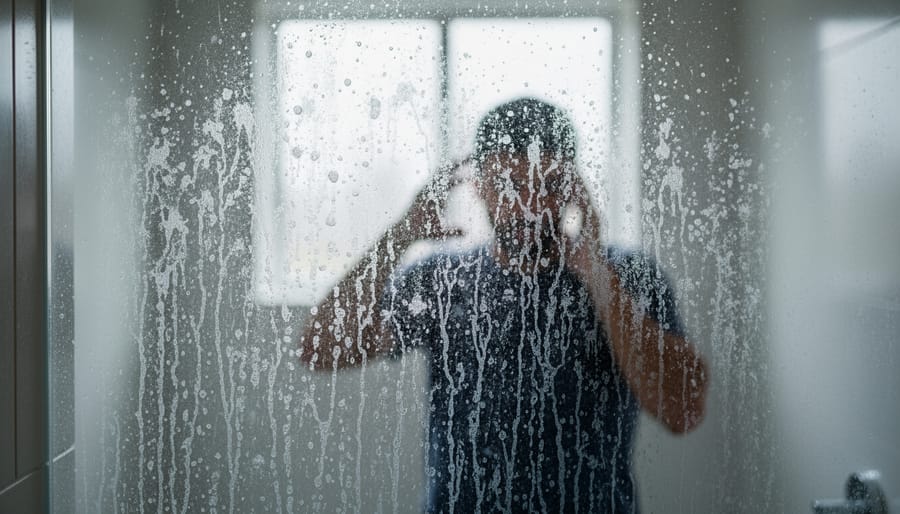
The upfront investment feels substantial, but context helps. That same hard water causing you to shop for a softener shortens your water heater’s lifespan, clogs fixtures, and leaves you scrubbing mineral deposits weekly. A properly sized system typically pays for itself through reduced appliance repairs and cleaning product costs.
Water Softener Equipment Tiers: Which Level Makes Sense for You?
Box Store Systems: The Budget Entry Point
Big-box retailers sell basic water softeners from GE, Whirlpool, and Rheem in the $400 to $800 range, often marketed as DIY-friendly solutions. These units typically handle small to medium households and offer straightforward salt-based softening without advanced features like digital controls or metering valves.
What you’re sacrificing at this price point: thinner resin tanks that may crack under Seattle’s freeze-thaw cycles if installed in unheated garages, shorter warranties (often just one to three years), and basic control heads that regenerate on fixed schedules rather than actual water usage. Customer service usually means navigating phone trees, not a local technician showing up.
These systems make sense if you’re facing mild hardness, have plumbing experience and the confidence to install it correctly the first time, or you’re on a tight budget and willing to accept a shorter lifespan. For Seattle renters planning to move within a few years, the upfront savings might justify the trade-offs. Just know that improper installation voids most warranties, and you’ll still need to account for drain lines, backflow prevention, and electrical connections that aren’t always plug-and-play.
Direct-to-Consumer Options: The Middle Ground
Direct-to-consumer systems fill the gap between cheap hardware-store units and high-touch dealer models. In 2026, expect to pay $1,495 to $2,695 for commercial-grade Fleck control heads paired with Vortech mineral tanks, the same components professional water treatment companies use. These systems ship directly to your door with installation instructions.
The quality jump over box-store softeners is substantial. Fleck valves use time-tested mechanical metering rather than basic timers, meaning they regenerate based on actual water usage instead of guessing. Vortech tanks improve efficiency through better water flow distribution, reducing salt and water waste by 20 to 30 percent compared to budget models. You’ll also get longer warranties, typically five to ten years on valves and tanks versus one to three years for retail-brand units.
The catch? You handle installation yourself or hire a local plumber separately. 2026 cost ranges for professional installation run $564 to $1,692 in most markets, which means your total investment lands between $2,059 and $4,387. If you’re comfortable with basic plumbing and your home has accessible supply lines and a nearby drain, DIY installation can keep you at the lower equipment-only price point.
Dealer-Installed Premium Systems: Full-Service Solutions
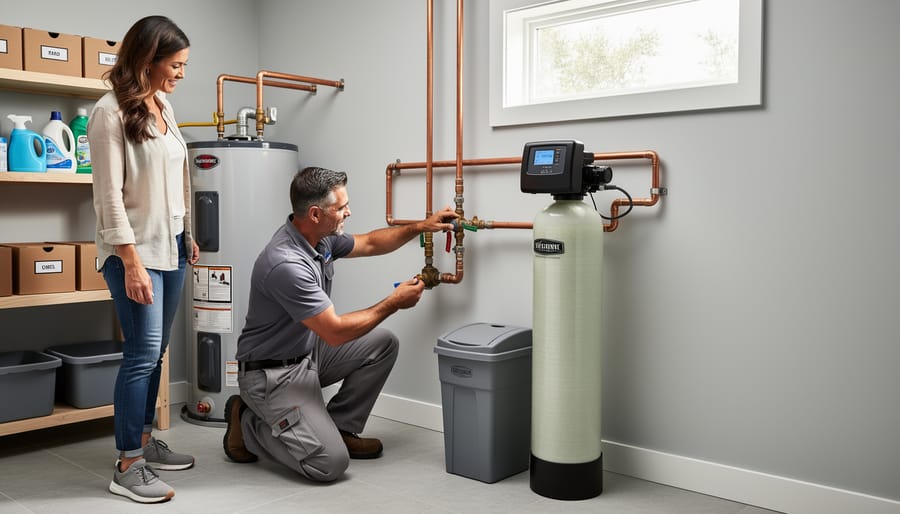
Premium dealer-installed systems from Culligan, RainSoft, and EcoWater command $2,500 to $5,000 or more for good reasons. You’re paying for comprehensive service that extends well beyond the equipment itself.
The upfront price includes professional assessment of your Seattle home’s specific water conditions, customized system sizing, and expert installation by licensed technicians who handle permitting and code compliance. These brands typically offer lifetime warranties on tanks and extended coverage on electronic components, protections that box store systems don’t match.
What separates these systems is ongoing support. Regular maintenance visits, water testing, and emergency service calls are often included or available at discounted rates. The equipment itself features advanced technology like demand-initiated regeneration that adapts to your actual water usage patterns rather than running on fixed timers, reducing salt and water waste.
For homeowners who value peace of mind and don’t want to troubleshoot their own plumbing issues, this full-service approach justifies the premium. You’re buying a relationship with a local dealer who’ll respond when something goes wrong, not just a piece of hardware. The question becomes whether that ongoing support and superior warranty coverage matter enough to double or triple your initial investment compared to direct-to-consumer options.
Installation Costs: What Seattle Homeowners Can Expect
Most Seattle homeowners spend between $564 and $1,692 on professional installation in 2026, though your actual cost depends on factors specific to your home’s plumbing layout and local requirements. That range covers straightforward installations where your plumbing is accessible and meets code. Homes with more complicated setups pay more.
Your existing plumbing configuration drives the biggest cost variable. If your main water line enters through an easily accessible utility room or garage with adequate space for the softener and drain connection, installation runs toward the lower end. Older Seattle homes with cramped crawl spaces, basement installations requiring underground work or main lines buried in finished walls push costs higher because plumbers need more time and materials to properly integrate the system.
Location accessibility matters beyond just your main plumbing line. The softener needs a nearby drain for backwash discharge and a grounded electrical outlet. If your ideal installation spot lacks these, you’re paying for additional plumbing runs and electrical work. Homes where the water line entry sits far from drainage or power sources see installation costs climb toward or beyond the upper range.
Seattle’s local code and permits add another layer to installation expenses. King County requires proper backflow prevention and specific drain line sizing for water softener discharge. Some neighborhoods need permits for plumbing modifications, which adds both permit fees and the time your plumber spends ensuring compliance. Licensed plumbers factor these requirements into their quotes, but homeowners attempting DIY installation often discover code issues only after starting work.
Labor costs reflect Seattle’s skilled trade market. Expect to pay $75 to $150 per hour for a licensed plumber, with most installations taking three to five hours for standard setups. Complex installations requiring pipe rerouting, valve additions, or structural modifications to accommodate the unit can push labor time past eight hours.
The type of system you’re installing also affects labor. Salt-based softeners with separate brine tanks require more plumbing connections than single-tank units. Electronic controls need proper electrical hookup. Whole-house systems demand main line integration, while point-of-use softeners for specific fixtures take less time but still require professional plumbing skills for leak-free operation.
When getting Seattle 2026 installation costs quoted, ensure the estimate includes drain line installation, electrical work if needed, pipe modifications, code compliance, and cleanup. Transparent contractors itemize these components rather than offering a single vague number.
Salt-Based vs. Alternative Systems: Price and Performance Trade-offs
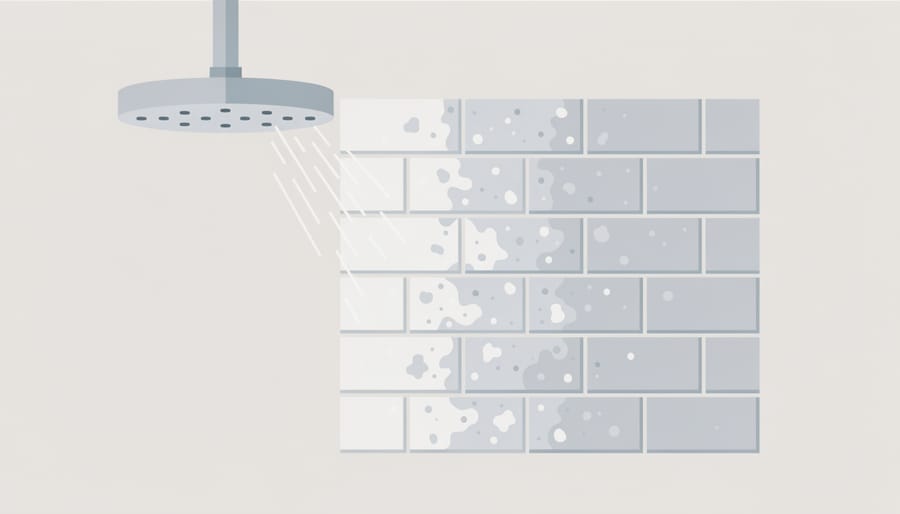
Traditional salt-based softeners still dominate the Seattle market for good reason: they handle the area’s moderate hardness levels effectively and deliver proven results. At $600 to $2,500 for equipment alone, these ion-exchange systems represent the most straightforward approach to eliminating scale buildup that causes common pipe issues and appliance damage. The technology exchanges calcium and magnesium ions for sodium, completely removing hardness minerals rather than just altering their behavior.
- Completely removes hardness minerals, not just conditioning them
- Proven track record with decades of reliable performance data
- Lower upfront equipment costs compared to most alternatives
- Straightforward maintenance that homeowners can handle themselves
- Requires regular salt purchases, typically 40-pound bags every four to six weeks
- Adds sodium to drinking water, which some households prefer to avoid
- Uses additional water during regeneration cycles
- Not permitted in some communities with strict wastewater regulations
Alternative technologies position themselves as salt-free solutions, but the term is misleading. Template-assisted crystallization systems and magnetic or electronic descalers don’t actually soften water in the traditional sense. They condition it by changing how minerals behave rather than removing them. These systems typically cost $1,200 to $3,500 upfront and eliminate ongoing salt expenses, making them appealing to homeowners concerned about sodium intake or environmental impact.
The catch? Performance varies significantly based on your specific water chemistry. Seattle’s water hardness hovers around 20 to 50 grains per gallon depending on your neighborhood and source. Salt-free conditioners work reasonably well for moderate hardness but struggle with severe problems. You’ll still see some scale formation, just less of it. For households prioritizing truly soft water for bathing and laundry, salt-based softener costs deliver better value despite the ongoing salt expenses.
Reverse osmosis systems offer another path, but they’re typically installed only at point-of-use locations like kitchen sinks rather than whole-house applications. At $200 to $500 for under-sink units, they excel at producing drinking water but don’t address scale buildup in pipes, water heaters, or appliances throughout your home.
Hidden Costs and Ongoing Expenses to Factor In
Your initial investment covers the softener and installation, but monthly operations add up. Salt refills run around $5 to $15 per bag depending on the brand, and most Seattle homes need one to three bags monthly based on water hardness and household size. That’s $60 to $540 annually just for salt, which gets hauled home from the store or delivered.
Water usage climbs during regeneration cycles. Your softener flushes itself every few days, sending 50 to 100 gallons down the drain per cycle. In Seattle, where water and sewer rates combine to roughly $15 per 1,000 gallons, that regeneration water adds $30 to $60 yearly. It sounds minor until you realize that’s over the life of the system.
Regular maintenance keeps the unit running efficiently. Annual resin bed cleaning with a specialized solution costs $10 to $30 if you handle it yourself. Professional servicing runs higher but catches problems early, similar to how leak detection prevents larger plumbing disasters down the road. Skipping maintenance shortens system lifespan and tanks performance.
Budget for eventual repairs too. Control valves fail, resin tanks crack, and brine tanks develop sediment buildup. Parts range from $50 for minor components to several hundred for major assemblies. Labor adds to that if you’re not comfortable with DIY fixes. Premium dealer-installed systems often include service plans that cover these surprise costs, which explains part of their higher upfront pricing.
The softener affects other expenses indirectly. Softer water extends appliance life (dishwashers, washing machines) and reduces soap use, offsetting some costs. But if you’re already budgeting for appliance updates like water heater cost factor in that your softener protects that investment from scale buildup. The hidden expenses are real, but they’re predictable once you understand the rhythm of salt refills, electricity for the control head, and occasional repairs.
How to Get Accurate Pricing for Your Seattle Home
Start with water testing before you ask for a single quote. Seattle’s water hardness varies by neighborhood, some areas measure 3-4 grains per gallon while others hit 7-8 grains, and installers can’t size your system properly without knowing your baseline. Most plumbers will test water hardness during an initial consultation, or you can purchase a home test kit for $20-30 to establish your numbers upfront. This single step prevents the classic mistake of over-purchasing capacity you’ll never use.
Calculate your household’s daily water demand next. A family of four typically uses 300-400 gallons daily, which determines grain capacity requirements. Share this figure with installers along with your hardness level so they can recommend appropriately sized units rather than defaulting to whatever they have in stock.
Request itemized written estimates from at least three licensed Seattle plumbers. Each quote should break down equipment cost, labor, permits, materials, system removal (if replacing an existing unit), drain line installation, and any electrical work. Vague “all-in” prices make comparing options nearly impossible.
- Test your water to establish hardness levels specific to your Seattle location
- Calculate household demand based on occupants and typical daily water usage
- Request itemized quotes from three licensed plumbers showing equipment, labor, permits, and materials separately
- Verify contractor licensing through Washington State Department of Labor and Industries and confirm warranty coverage
- Compare total cost of ownership including installation, salt refills, maintenance contracts, and energy usage
Red flags include contractors who skip water testing, refuse to provide written estimates, can’t explain sizing calculations, or push one brand without discussing alternatives. Legitimate installers ask about your water usage patterns, existing plumbing setup, and long-term goals rather than jumping straight to equipment recommendations.
Verify licensing and insurance through Washington State’s contractor lookup before signing anything. Ask specifically about warranty coverage, who handles service calls, what parts are included, and whether labor is covered beyond the first year. The cheapest quote often excludes these protections.
Compare total cost of ownership rather than fixating on installation price alone. A $2,800 system with a 10-year parts and labor warranty might cost less over time than a $1,500 unit that requires annual service calls at $200 each.
Is Professional Installation Worth the Extra Cost?
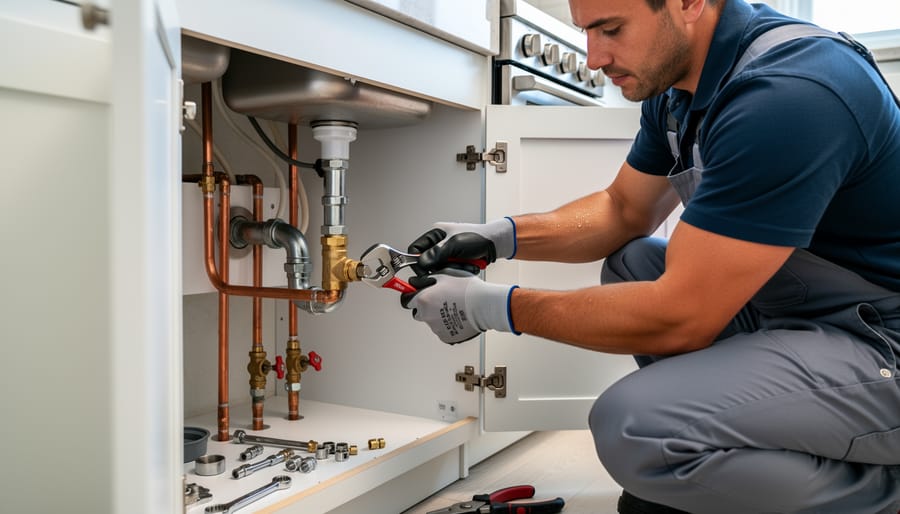
Professional installation typically adds $564 to $1,692 to your water softener project, but that investment buys you more than convenience. A licensed plumber ensures your system is plumbed correctly from day one, protecting you from leaks, pressure problems, and code violations that can cost thousands to remedy later.
The warranty question often tips the scales. Many manufacturers void coverage if someone without proper licensing installs their equipment. That $800 you saved doing it yourself evaporates quickly if a control valve fails and you’re stuck with a $400 repair bill that should have been covered. Premium systems from Culligan and similar brands typically require professional installation to maintain warranty protection.
Code compliance matters more than most homeowners realize. Seattle’s plumbing regulations specify drain line sizing, backflow prevention, and system placement requirements that DIY installers often miss. A failed inspection means paying both a plumber to fix the work and additional permit fees, which can exceed what professional installation would have cost initially.
The installation itself presents real challenges. Running the drain line, tying into existing plumbing without disrupting water pressure to the rest of your home, and properly configuring the bypass valve require specialized knowledge. Professional installers also test for leaks under pressure and verify the regeneration cycle works correctly before they leave, catching problems that might otherwise surface at 2 a.m.
For homeowners with newer plumbing who’ve tackled similar projects successfully, installing a straightforward box store system can work. But if your home has galvanized pipes, limited space for the unit, or you’re installing a premium system that will extend water heater life by preventing scale buildup, professional installation is worth every dollar. The peace of mind alone justifies the expense when you’re investing $2,000 or more in equipment.
Your water softener investment will ultimately reflect the quality tier you choose and the complexity of your installation, with total costs spanning anywhere from under $1,000 for a basic DIY system to $5,000 or more for a premium dealer-installed unit. That’s a wide range, but understanding where your home falls within it comes down to matching the right system to your household size, water hardness level, and long-term goals.
The payoff extends beyond the initial price tag. A properly selected and installed water softener protects your water heater, dishwasher, and washing machine from scale buildup that shortens their lifespan. You’ll spend less time scrubbing mineral deposits from faucets and shower doors, and you’ll use less detergent and cleaning products overall. These aren’t dramatic transformations, but they add up month after month.
Getting an accurate quote for your Seattle home requires more than browsing online listings. Water testing reveals your specific hardness level and helps determine the right grain capacity. Installation variables like existing plumbing configuration, drain access, and electrical requirements all affect your final cost. A licensed plumber can assess these factors during an in-home consultation and provide transparent pricing based on your actual setup, not generic averages.
Seattle Hot Plumbing offers 24/7 consultations for homeowners ready to address hard water problems. We’ll evaluate your plumbing system, test your water if needed, and explain your options without pressure tactics or hidden fees. Making an informed decision now saves you from costly mistakes later.