 dominic
Budget sewer services in Seattle typically range from $150 for a simple drain cleaning to $8,500 or more for complete sewer line replacement in 2026. Most homeowners pay between $300 and $600 for professional drain clearing or video inspection, while trenchless pipe repairs average $3,000 to $6,000 depending on the length and depth of the line.
The gap between budget and premium pricing comes down to three main factors: the scope of work, access to your sewer line, and the repair method selected. A clogged kitchen drain costs far less than replacing 50 feet of collapsed clay pipe under your foundation. Seattle’s older neighborhoods, particularly those built before 1960, often face root intrusion and deteriorating materials that push costs higher.
Understanding what drives your specific bill helps separate legitimate budget options from shortcuts that create expensive callbacks. A $99 drain cleaning special might clear surface blockages but miss the cracked pipe causing repeated backups. Similarly, choosing traditional excavation over trenchless repair saves money upfront but adds weeks of disruption and landscape restoration costs.
Just as whole-home comfort requires properly sized systems rather than quick fixes, your sewer infrastructure needs solutions matched to the actual problem. We’ll break down costs by job type, explain what separates fair pricing from inflated quotes, and show you how to find qualified professionals who deliver value without compromising the work quality that keeps your home safe and functional.
Budget Sewer Service Costs by Job Type
Sewer Line Inspection and Camera Work
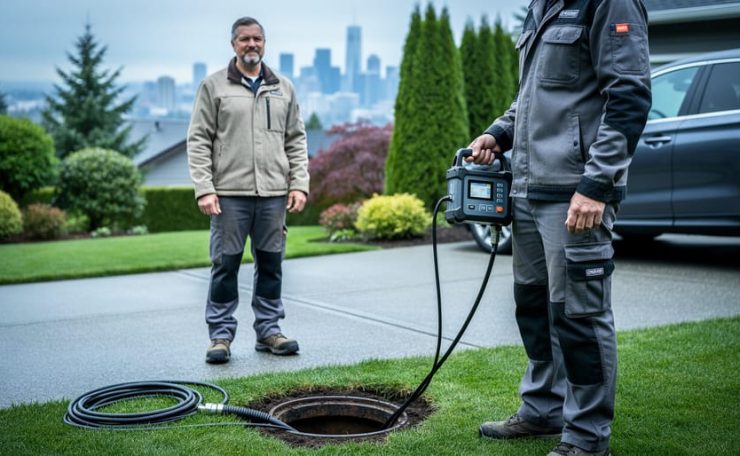
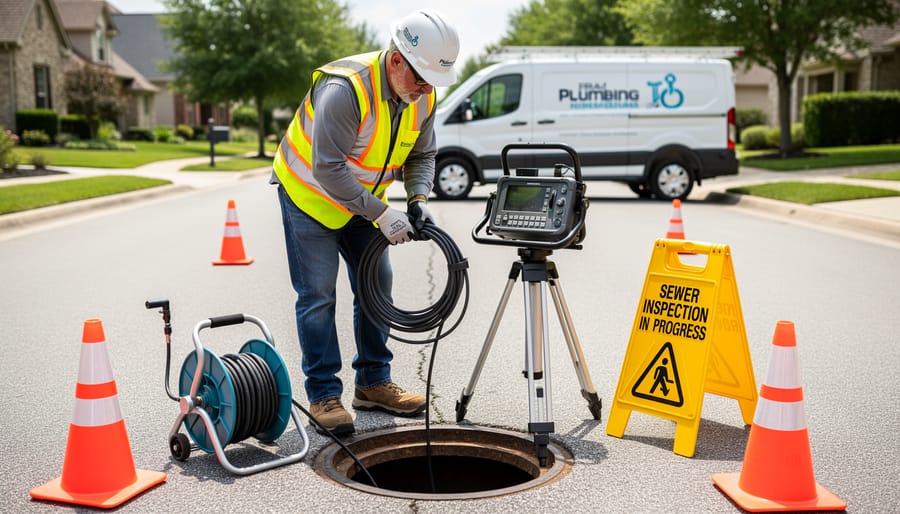
Budget sewer camera inspections in Seattle typically run $150 to $350 for residential lines, with most budget-focused plumbers charging $200 to $250 for a standard inspection. That price covers inserting a waterproof camera through your cleanout or drain opening, recording footage of the pipe interior, and providing a basic report on blockages, cracks, root intrusion, or structural problems. Some budget services include a complimentary digital copy of the video; others charge $25 to $50 extra for that footage.
What you’re paying for is the camera equipment rental and depreciation, a trained technician’s time (usually 30 to 60 minutes onsite), and their ability to interpret what the video reveals. Budget providers may use older or lower-resolution cameras than premium services, but for diagnosing clogs, confirming pipe material, or locating breaks before excavation, these systems work fine for most residential needs.
This inspection becomes essential before any major sewer repair or replacement, when buying a home with aging pipes, or when repeated drain issues suggest a hidden problem. Similar to private water line inspections sewer camera work helps you confirm the scope and location of problems before committing to expensive fixes, often saving you hundreds or thousands by targeting the actual issue instead of guessing.
Drain Cleaning and Hydro Jetting
Drain cleaning typically costs $150, $300 for basic snaking in Seattle, while hydro jetting runs $350, $600 for budget-conscious providers. The price difference reflects the scope of work: snaking clears a path through clogs using a rotating cable, which works well for simple blockages in branch lines. Hydro jetting uses high-pressure water to scour pipe walls clean, removing grease buildup, tree roots, and years of accumulated debris.
For recurring clogs or slow drains throughout your home, hydro jetting often delivers better long-term value despite the higher upfront cost. You’re paying once to actually clean the pipes rather than repeatedly snaking the same stubborn blockage every few months. Budget providers may charge less for hydro jetting during off-peak hours or bundle it with camera inspection to diagnose exactly what’s causing the problem.
Kitchen sink and toilet clogs usually need only basic snaking. Main line blockages, especially in older homes with cast iron pipes prone to scale buildup, benefit significantly from hydro jetting’s thorough cleaning power.
Sewer Line Repair and Replacement
Sewer line repair costs in Seattle vary dramatically based on the extent of damage and repair method chosen. Spot repairs for localized breaks or cracks typically range from $800 to $2,500, making them the most budget-friendly option when damage is contained to a small section. Your plumber can patch the problem area without disturbing the entire line, though this only works when the rest of the pipe remains in good condition.
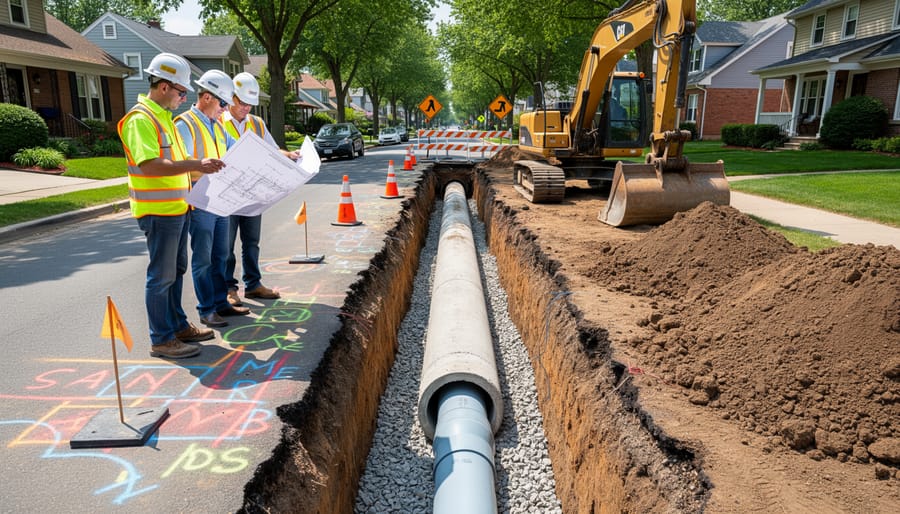
Trenchless repair methods like pipe lining or pipe bursting fall in the $4,000 to $15,000 range for most residential jobs. These techniques cost more upfront than traditional excavation but eliminate landscaping restoration expenses and reduce labor time. Pipe lining creates a new pipe inside the old one using epoxy resin, while pipe bursting replaces the damaged line by breaking it apart and pulling new pipe through simultaneously. Both preserve your yard and driveway.
Traditional excavation-based replacement remains the most affordable option for full sewer line replacement, typically costing $3,000 to $10,000 depending on distance and depth. The catch is that you’ll need to budget another $1,500 to $5,000 for restoring landscaping, pavement, or hardscaping afterward. This method makes sense when your entire sewer line has deteriorated or when accessibility issues make trenchless work impractical.
Budget providers often offer flexible payment plans for replacement jobs exceeding $5,000. Ask about financing options before dismissing a necessary replacement as unaffordable, delaying can lead to sewage backups that cost far more to remediate.
Emergency Sewer Services
Emergency sewer calls typically cost 1.5 to 2 times more than scheduled service in Seattle, with most budget providers charging $200, $400 just to show up after hours, plus standard labor rates that jump from around $100, $150 per hour to $150, $250 per hour. Weekend rates fall somewhere in between, usually 25-50% above weekday pricing.
The premium is worth paying when sewage is backing up into your home, creating health hazards or property damage that worsens by the hour. A flooded basement or raw sewage in living spaces justifies emergency pricing because the cost of water damage, contamination cleanup, and structural repairs quickly exceeds the after-hours premium. However, if you notice slow drains or suspect a problem but have no active backup, scheduling service during business hours saves you hundreds of dollars for the same fix.
What’s Included in Budget Sewer Service Pricing
When you receive a quote for budget sewer service in Seattle, you’re not just paying for someone to show up and fix a pipe. The final price reflects a combination of direct costs, overhead, and the expertise required to complete the work safely and to code. Understanding these components helps you evaluate whether a “budget” quote is genuinely affordable or suspiciously cheap in ways that should raise red flags.
Labor typically accounts for the largest portion of any sewer service bill. You’re paying for licensed plumbers who understand Seattle’s sewer systems, can navigate permit requirements, and carry the insurance necessary to work on your property. Budget providers often reduce labor costs by operating with lower overhead, smaller offices, fewer administrative staff, or streamlined scheduling, rather than hiring inexperienced workers. A two-person crew handling a standard sewer repair might charge $80-120 per hour combined at budget rates, compared to $150-200 at premium firms.
Equipment costs appear as line items because specialized tools are expensive to own and maintain. Hydro jetting machines, sewer cameras, excavators, and trenchless boring equipment all represent significant capital investments. Budget companies may rent equipment as needed rather than maintaining a full fleet, passing along those rental fees directly. A video inspection requiring a push camera might add $150-300 to your bill, while heavy machinery for excavation can add $500-1,000 per day depending on the scope of work.
Materials vary dramatically based on your project. A simple drain cleaning uses minimal supplies beyond cable and cleaning solution. Sewer line replacement requires pipes, couplings, gravel for bedding, and sometimes concrete for restoration. Budget services often use quality PVC or HDPE pipes but may offer fewer premium options like cast iron or specialized coatings. The materials for replacing 20 feet of sewer line typically run $300-800, not including the labor to install them.
Most sewer work in Seattle requires permits, and those fees are non-negotiable regardless of which contractor you hire. Permit costs range from $150 for simple repairs to $500-1,000 for major replacements, depending on the work’s scope and whether you’re in city limits. Budget providers should always include permits in their quotes, if they don’t, you’re dealing with someone willing to skip required steps, which creates liability for you as the property owner.
Additional costs homeowners often overlook include:
- Disposal fees for excavated soil, broken pipes, and contaminated materials ($100-400 depending on volume)
- Traffic control or street closure permits if work affects public right-of-way ($200-600)
- Utility locating services to mark gas, water, and electrical lines before digging ($150-300)
- Inspection fees for city or county verification of completed work ($75-200)
- Warranty coverage, even if limited, for the work performed (typically included but verify the terms)
- Restoration of landscaping, pavement, or surfaces disturbed during underground construction (highly variable, $300-3,000+)
Legitimate budget providers itemize these components so you understand exactly what you’re paying for. Be cautious of quotes that lump everything into a single vague number, that’s often where corners get cut. A transparent breakdown protects both you and the contractor by setting clear expectations about what’s included and what costs extra if conditions change during the job.
What Affects the Final Price of Sewer Work
Location and Accessibility Challenges
Getting to your sewer line isn’t always straightforward. If pipes run under a finished patio, driveway, or mature trees, expect labor costs to climb, excavation requires more careful work, protective measures, and restoration afterward. Properties with deep sewer connections (10+ feet) need specialized equipment and additional safety precautions, both of which add to your bill.
Urban Seattle lots present their own challenges. Narrow side yards, shared property lines, and limited equipment access force crews to use smaller machines or hand-dig sections, slowing progress and increasing hourly charges. Steep slopes common in neighborhoods like Queen Anne or Capitol Hill complicate trenching and require extra bracing. Even seemingly minor obstacles like sprinkler systems, utility lines, or retaining walls demand rerouting or temporary removal, padding both time and material costs. Factor these site conditions into your Seattle property planning when budgeting for sewer work, what looks like a simple repair can triple in price once crews assess what’s actually in the way underground.
Pipe Material, Age, and Condition
Older sewer pipes made from cast iron or clay present unique challenges that drive up repair and replacement costs, even when you’re working with budget-conscious contractors. Cast iron, common in Seattle homes built before the 1980s, corrodes from the inside out and becomes brittle with age. These pipes often require specialized cutting tools, careful handling to prevent further cracking, and more labor-intensive removal processes. Clay pipes, found in even older properties, crack easily and tend to have root intrusions that demand extensive excavation.
Modern PVC pipes, by contrast, are lightweight, corrosion-resistant, and quick to install. A budget contractor can replace a section of PVC in a fraction of the time required for cast iron removal. When existing pipes already show significant damage, bellied sections, multiple cracks, or collapsed segments, repair costs multiply because contractors must address both the immediate problem and surrounding deterioration. A single-point repair on compromised pipe often needs expansion into longer section replacement when the adjacent material can’t be trusted. Budget services can keep costs reasonable by focusing on the most critical repairs first, but the underlying pipe condition sets hard limits on how low the final price can go.
Seattle Permits and Code Requirements
Seattle requires permits for most sewer line repairs and all replacements, adding $300-$800 to project costs depending on scope. The Seattle Department of Construction and Inspections mandates permits for any work involving the main sewer lateral connecting your property to the city line. Trenchless repairs under certain depths may qualify for simpler permits at lower fees.
Projects typically need two inspections, pre-backfill and final, at roughly $150 each. Seattle code requires licensed contractors to pull permits; homeowners cannot DIY permitted sewer work. Budget providers should include permit costs in quotes upfront. Skipping permits to save money creates serious problems: the city can red-tag unpermitted work, forcing expensive do-overs, and undisclosed violations complicate property sales. Code violations also void homeowner’s insurance coverage for related damage claims.
Time of Service and Urgency
Timing dramatically affects what you’ll pay for sewer service. Standard business hours (Monday, Friday, 8 AM, 5 PM) get base rates, while after-hours calls typically add 25-50% to labor costs. Weekend service runs 30-60% higher, and holidays can double your bill. Emergency dispatch, when you need someone immediately for a sewage backup or main line break, commands the steepest premiums, often $150, $300 extra just for the urgent response.
The trade-off matters. A scheduled inspection at $150 becomes $300+ at 2 AM. But when raw sewage threatens your home, that premium buys immediate relief and prevents thousands in water damage. Budget-conscious homeowners schedule non-urgent work during weekdays and save emergency calls for genuine crises.
DIY vs. Professional Sewer Service: Cost and Risk Trade-offs
What Sewer Tasks Are DIY-Friendly
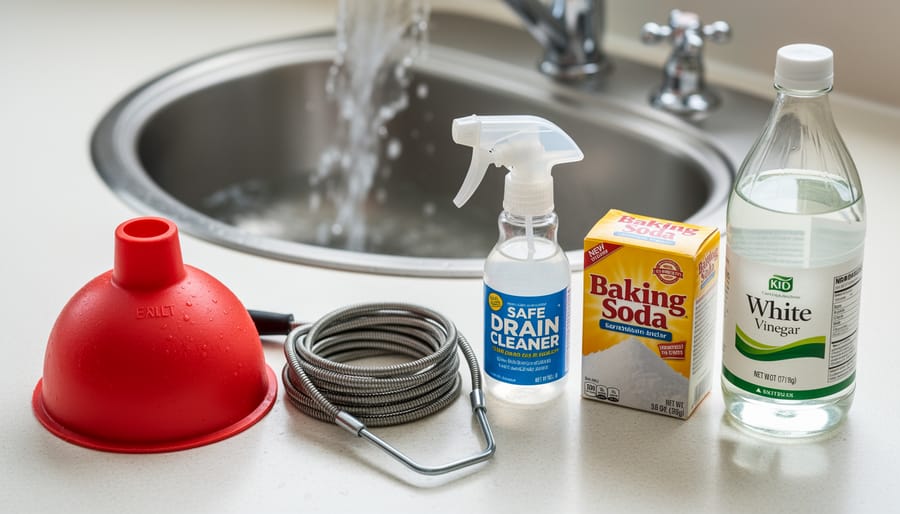
Most homeowners can handle shallow drain clogs near fixtures, think bathroom sinks, shower drains, or kitchen lines that empty slowly but haven’t completely stopped. A basic drain snake (available at hardware stores for $15-30) clears hair and soap buildup within the first 15-25 feet of pipe. You can also use a plunger for toilet clogs or try enzyme-based drain cleaners for routine maintenance.
Outdoor clean-outs are DIY-friendly too. If your sewer line has an accessible clean-out cap in your yard or basement, you can remove it to check for obvious blockages near the opening. Flushing the line with a garden hose sometimes clears minor debris.
Basic preventive maintenance, like avoiding grease disposal down drains, installing drain screens, and running hot water after each sink use, costs nothing and prevents most minor clogs.
What you shouldn’t attempt: anything past 25 feet into the main line, any work requiring excavation, or problems involving sewage backup into your home. Those situations need professional equipment and expertise to avoid property damage or code violations.
When to Call a Professional
Professional sewer service becomes non-negotiable when you’re dealing with main line blockages that affect multiple fixtures, sewer line breaks or collapses, raw sewage backups, or any work requiring permits and inspections in Seattle. If you see sewage pooling in your yard, smell persistent sewer gas inside your home, or notice multiple drains backing up simultaneously, call immediately, these situations pose serious health hazards and can cause thousands in water damage within hours. Tree root intrusion into sewer lines requires specialized equipment and expertise that rental tools can’t match. Any work involving the city-owned portion of your sewer line or connections at the property line requires licensed contractors who understand Seattle’s infrastructure and permitting process. Similarly, trenchless repairs, pipe relining, and excavation near building foundations demand professional skills and insurance coverage. When your Seattle plumbing planning involves structural changes or system upgrades, professionals ensure code compliance and protect your property value with proper documentation and warranties.
Hidden Costs of DIY Gone Wrong
A homeowner who tries to snake a main sewer line themselves might dislodge a blockage temporarily, only to puncture an already-weakened clay pipe in the process. What started as a $200 rental tool expense becomes a $4,000 emergency excavation when the pipe collapses and sewage floods the basement. Another common scenario: tackling a “simple” sewer repair without pulling required Seattle permits. When the city discovers unpermitted work during a property sale inspection, homeowners face stop-work orders, fines up to $500 per day, and the cost of tearing out and redoing the entire repair to code, often tripling the original professional quote. Failed DIY hydro jetting attempts frequently blow out weakened pipe joints, turning a $300 professional drain cleaning into a $6,000 trenchless repair. Even minor mistakes carry hidden costs: improper slope on a DIY replacement line causes chronic slow drains, requiring a second excavation to correct the grade. Professional plumbers carry liability insurance and warranty their work; homeowners who avoid DIY risks protect both their property value and their wallets from these compounding failures.
How to Find Reliable Budget Sewer Services in Seattle
Finding a plumber who balances affordability with expertise requires more due diligence than simply choosing the lowest quote. Start by verifying that any budget sewer service holds a current Washington State plumbing license, contractors must display their registration number on vehicles, websites, and advertising materials, and you can confirm active status through the Washington State Department of Labor & Industries website. This single step eliminates unlicensed operators who undercut legitimate businesses by skipping permits, insurance, and proper training.
Ask specific questions about the estimate itself. Reputable budget plumbers provide detailed written quotes that itemize labor, materials, equipment rental, permit fees, and disposal costs rather than vague lump sums. The estimate should specify exactly what work is included, what warranties apply, and under what conditions the price might change. If a company refuses to put their quote in writing or claims they “won’t know the real cost until they start digging,” that’s a warning sign of potential scope creep and surprise charges.
Before hiring anyone, verify these essential credentials:
- Valid Washington State contractor license with active status
- Current general liability and workers’ compensation insurance
- At least three verifiable references from recent sewer jobs
- Written estimates that itemize all costs and specify payment terms
- Clear warranty coverage for both labor and materials
- Documented emergency availability and response time guarantees
Check online reviews across multiple platforms, but focus on how the company responds to complaints rather than just star ratings. A budget plumber who professionally addresses negative feedback and resolves issues demonstrates accountability that matters more than perfect scores. Look for patterns in reviews: consistent mentions of transparent pricing, thorough cleanup, or prompt emergency response indicate reliable service habits.
Request proof of Seattle business licensing and any required bonds. The city mandates specific permits for sewer work, and legitimate contractors factor these costs into their estimates rather than suggesting you skip them to save money. Any plumber who offers to “work around” permit requirements is exposing you to code violations, failed inspections, and potential liability if something goes wrong. Budget-conscious doesn’t mean code-noncompliant, trustworthy services build permit fees into competitive pricing rather than treating regulations as optional obstacles.
Frequently Asked Questions About Budget Sewer Costs
What’s the average cost for basic sewer service in Seattle?
Most budget-friendly drain cleaning runs $150-$300 for straightforward clogs, while camera inspections typically cost $200-$400. Full sewer line repairs start around $1,500 for spot fixes and can reach $8,000-$15,000 for complete replacements using trenchless methods.
Do budget plumbers offer payment plans or financing?
Many reputable budget sewer companies provide financing through third-party lenders or offer payment plans for larger jobs exceeding $2,000. Always verify terms before signing, and watch for interest rates that can significantly increase your total cost.
Will homeowners insurance cover my sewer repair costs?
Standard policies rarely cover sewer line repairs unless damage stems from a covered event like a sudden pipe burst. Optional sewer backup coverage costs roughly $50-$150 annually and can save thousands on cleanup and repairs, making it worth considering for older Seattle homes.
Are sewer services cheaper in winter or summer?
Seattle plumbers generally charge consistent rates year-round, though you might find promotional pricing during slower winter months. What varies more is emergency availability, since heavy rains in fall and winter create demand spikes that can extend wait times.
How long is a sewer service quote valid?
Most quotes remain valid for 30 days, though material costs can fluctuate. If a plumber pressures you to decide immediately or claims prices increase tomorrow, that’s a red flag signaling potential dishonesty.
How can I tell if a budget plumber is legitimate or a scam?
Verify their Washington State contractor license, check for liability insurance, and read recent reviews on multiple platforms. Legitimate budget plumbers provide written estimates, itemized invoices, and never demand full payment upfront before starting work.
Should I get multiple quotes for sewer work?
Absolutely. Three quotes give you a realistic price range and help identify outliers, whether suspiciously low bids that suggest corner-cutting or inflated estimates padding unnecessary services. Just make sure you’re comparing identical scopes of work across all quotes.
The FAQ format works well for budget sewer questions because homeowners typically search for specific cost information before calling contractors. Getting clear answers upfront reduces anxiety about being overcharged and helps you spot manipulative sales tactics during consultations.
One pattern worth noting: if multiple plumbers quote vastly different prices for what sounds like the same repair, the scope probably isn’t identical. A $3,000 quote might include full trenchless pipe replacement, while a $1,200 quote covers only a temporary patch. Ask each contractor to break down exactly what methods, materials, and warranties their price includes. Budget-conscious doesn’t mean accepting the lowest number without understanding what you’re actually buying.
When you contact plumbers for quotes, mention you’re comparing multiple bids. Honest companies respect informed customers; dishonest ones may try harder to lock you in with pressure tactics. That reaction alone tells you plenty about who you’re dealing with.
Budget sewer service in Seattle isn’t about choosing the cheapest option and hoping for the best. It’s about making informed decisions that protect your property while respecting your financial limits. The difference between a smart budget choice and a costly mistake comes down to verification: licensed contractors, itemized estimates, and a clear understanding of what you’re actually paying for.
Getting multiple quotes isn’t just comparison shopping; it’s your opportunity to spot red flags and understand the going rate for your specific situation. Ask about warranties, permits, and what happens if complications arise during the work. Legitimate budget providers can explain their pricing and still deliver code-compliant repairs that last.
For both homes and businesses, some sewer problems can’t wait for normal business hours. That’s when 24/7 emergency availability stops being a luxury and becomes essential infrastructure protection. A qualified professional who answers at 2 a.m. on Sunday might charge more per hour, but they’re preventing the kind of damage that turns a $500 repair into a $15,000 disaster.
The best budget decision is the one that solves your problem completely the first time.