 dominic
Most residential water heaters in Seattle last 8 to 12 years, though that lifespan can stretch to 15 years or more with proper maintenance and favorable conditions. Your system’s longevity depends heavily on local water quality, installation practices, and how well you maintain the unit throughout its service life.
Seattle’s relatively soft water gives homeowners an advantage over regions with hard water, but our unique environment presents other challenges. Seasonal temperature swings, occasional freezing conditions, and the sediment naturally present in Pacific Northwest groundwater all influence how long your tank or tankless unit will perform reliably. The difference between a water heater that fails at year seven and one that serves you well into year fifteen often comes down to proactive care rather than luck.
Understanding what determines water heater longevity matters because replacement represents a significant investment, typically $1,200 to $3,500 for conventional tanks and $2,500 to $5,000 for tankless systems in 2026. Beyond cost, an unexpected failure means cold showers, potential water damage, and the scramble to find emergency service. Planning ahead keeps your household running smoothly, preserves whole-home comfort and helps you budget for replacement on your terms rather than during a crisis.
This guide walks you through the factors that affect water heater lifespan in Seattle, identifies which systems and maintenance practices qualify for extended service, and shows you the specific steps to maximize your investment. You’ll learn when professional intervention makes sense, what warranty protections you have, and how to spot early warning signs before a minor issue becomes an expensive emergency.
What Determines Water Heater Longevity in Seattle
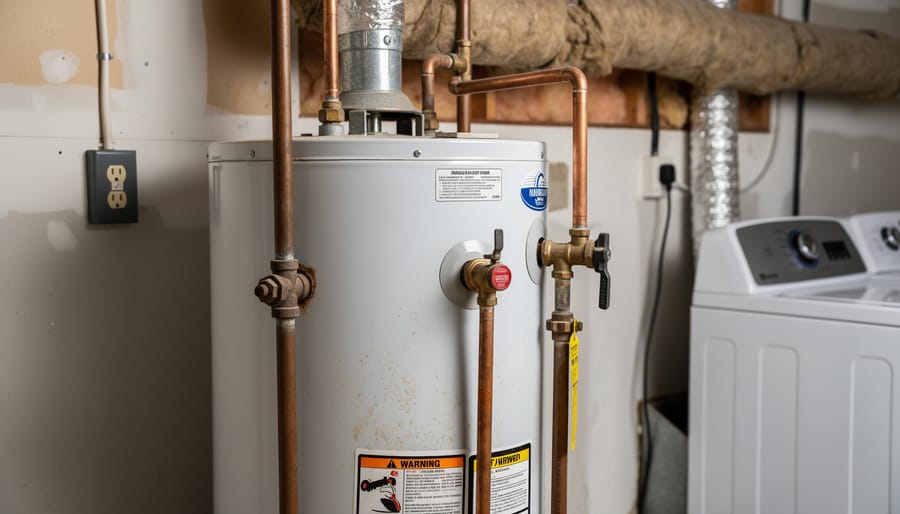
Water heater longevity refers to how many years a system reliably delivers hot water before requiring replacement. In Seattle, that lifespan depends on factors specific to the Pacific Northwest: water chemistry, installation practices, and how the system handles local conditions.
Seattle’s water quality plays a decisive role in how long your heater lasts. The city’s relatively soft water (low mineral content) is gentler on tanks than hard water found in other regions, which reduces scale buildup inside the tank and on heating elements. However, pH levels still matter, water that’s too acidic accelerates corrosion of steel tanks and metal components. Municipal water in Seattle typically maintains neutral pH, but properties with well water or those affected by underground construction may experience different water chemistry that shortens component life.
Climate conditions in the Pacific Northwest create unique demands. Seattle’s moderate temperatures mean water heaters don’t face the extreme cold that stresses systems in other climates, but the region’s dampness can promote external corrosion on tanks and connections if installed in poorly ventilated spaces like crawlspaces or damp basements. Year-round moderate inlet water temperatures (typically 50-55°F) reduce the workload compared to regions where groundwater drops to 35°F in winter.
Usage patterns directly impact lifespan. A household of two using 40 gallons daily imposes far less wear than a family of six consuming 100+ gallons. Commercial properties with heavy, continuous demand cycle through heating cycles faster, accelerating wear on elements, burners, and tank lining. Systems sized correctly for actual demand last longer because they aren’t constantly cycling on and off or running continuously beyond design capacity.
System type fundamentally determines longevity expectations. Conventional tank water heaters in Seattle conditions average 8-12 years, with quality models reaching 15 years under ideal maintenance. Tankless units typically deliver 15-20 years because they lack a tank that can corrode and they experience less constant exposure to water. Heat pump water heaters fall between these ranges at 10-15 years, though their electronic components may require service before the tank fails.
Installation quality sets the baseline for everything else. Proper sizing, correct venting, adequate expansion tank installation, appropriate temperature and pressure relief valve placement, and code-compliant connections prevent premature failure. Poor installation creates stress points that shorten life regardless of water quality or maintenance efforts.
Which Systems Qualify for Extended Lifespan
Not every water heater installed in Seattle will reach its maximum potential lifespan. The difference between a system that lasts 8 years and one that performs reliably for 15 or more often comes down to three factors: proper installation, appropriate equipment selection for local conditions, and compliance with regional standards.
Installation quality sets the foundation. A water heater installed by a licensed plumber according to manufacturer specifications and Seattle’s plumbing code starts with an inherent advantage. Proper venting, correct water and gas line connections, adequate clearance for maintenance access, and professional-grade materials all contribute to longevity. DIY installations or work by unlicensed contractors frequently introduce problems that shorten lifespan, from improper temperature settings to inadequate pressure relief valve placement.
Sizing matters more than many property owners realize. An undersized water heater runs continuously to meet demand, accelerating wear on components and reducing overall life expectancy. An oversized unit cycles on and off inefficiently, which can also compromise longevity while wasting energy. Professional load calculations based on actual usage patterns, number of fixtures, and simultaneous demand requirements ensure the system operates within its optimal range.
Systems best positioned for extended lifespan in Seattle share specific characteristics:
- High-efficiency models with advanced corrosion protection and quality heat exchangers
- Tanks with glass-lined interiors and reinforced construction designed for moderate to hard water
- Magnesium or aluminum-zinc alloy anode rods appropriate for Seattle’s water chemistry
- Stainless steel or copper heat exchangers in tankless systems resistant to mineral buildup
- Systems rated for the Pacific Northwest climate with proper freeze protection where needed
- Equipment carrying robust manufacturer warranties, typically indicating superior build quality
Compatibility with Seattle and Washington State building codes is non-negotiable. Systems must meet energy efficiency standards, seismic bracing requirements for tank units, and specific venting regulations. Code compliance isn’t just about legality; it ensures the system operates safely and efficiently within parameters that support long-term performance.
Tankless water heaters generally outlast traditional tank models in this region when properly maintained, often reaching 20 years compared to 10-15 for tanks. However, Seattle’s moderately hard water means tankless systems require annual descaling to prevent mineral accumulation that can destroy heat exchangers prematurely. Tank models with easily accessible anode rods and drain valves simplify the maintenance that extends their useful life.
How to Extend Your Water Heater’s Lifespan: The Maintenance Process
Annual Professional Inspection Requirements
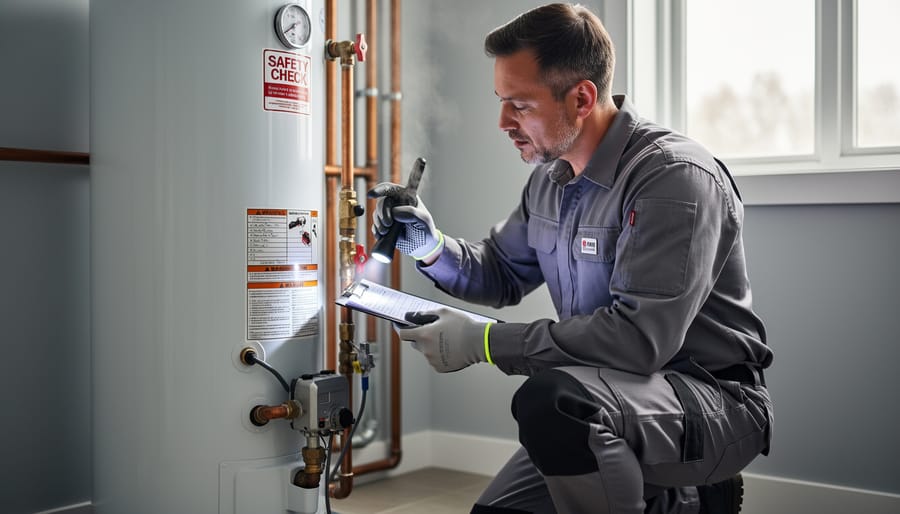
A professional water heater inspection conducted by a licensed plumber covers critical components that most homeowners can’t safely assess themselves. The technician examines the anode rod for depletion, tests the temperature and pressure relief valve under load conditions, checks all electrical connections or gas lines for safety hazards, inspects the burner assembly or heating elements for efficiency, and evaluates the tank interior for sediment accumulation and corrosion. They’ll also verify proper venting in gas models and confirm the system operates within manufacturer specifications.
This annual service is essential for warranty compliance, most manufacturers require documented professional maintenance to honor coverage, and skipping inspections can void your protection entirely. Beyond preserving your warranty, professional inspections catch developing problems before they cause failure: a technician spots early corrosion, identifies a failing anode rod before the tank rusts through, or detects minor leaks that would otherwise go unnoticed. In Seattle’s climate, where protecting plumbing from moisture-related issues matters year-round, these inspections extend system life by addressing small issues before they escalate into expensive emergency replacements.
DIY Maintenance Tasks Seattle Homeowners Can Safely Complete
Seattle homeowners can perform several simple checks between professional inspections to catch problems early and extend their water heater’s life.
Monthly visual inspection: Walk to your water heater and look around the base for any pooling water, moisture, or rust stains. Check the pressure relief valve discharge pipe for dripping. Listen for unusual sounds like hissing, popping, or rumbling that might indicate sediment buildup.
Quarterly temperature check: Test your hot water temperature at a faucet with a cooking thermometer. It should read 120°F for safety and efficiency. If it’s significantly higher or lower, your thermostat may need adjustment.
Quarterly pressure relief valve test: Lift the valve’s lever slightly to let a small amount of water discharge into the drain pipe, then release it. This prevents mineral buildup from seizing the valve. If water continues flowing after release or nothing comes out, call a professional.
Every six months: Check the anode rod access point for corrosion around the cap, and examine any exposed pipes for rust or deterioration. Note the date of your last professional flush in a maintenance log.
These simple tasks take less than 15 minutes total but provide early warning of issues that could shorten your system’s lifespan.
Your Responsibilities and Rights as a Water Heater Owner
Owning a water heater comes with clear responsibilities that directly affect how long your system lasts and whether you’ll have coverage when problems arise. In Seattle, maintaining proper records and staying on top of routine care isn’t just good practice, it’s essential for warranty protection and code compliance.
Most manufacturers require annual maintenance to keep warranties valid. That means flushing the tank, inspecting the anode rod, and testing safety valves at least once per year. You’ll need to document these services with receipts and service reports, especially if you ever file a warranty claim. Many premature failures get denied simply because homeowners can’t prove they maintained the unit properly.
If you own rental property, your responsibilities extend further. Seattle landlords must ensure water heaters meet current safety codes, maintain safe operating temperatures, and respond promptly to tenant reports of problems. You can’t defer maintenance until a system fails completely, and neglect that leads to property damage or safety hazards can create serious liability.
Your rights as an owner are equally important. If your water heater fails prematurely, say, a six-year-old tank develops a major leak, you’re entitled to warranty coverage for defective parts and often labor costs, provided you’ve maintained the unit properly. Manufacturers generally cover tanks for six to twelve years depending on the model, with longer coverage on premium units.
When a licensed contractor installs your system incorrectly and it fails early, you have recourse. Washington law requires proper workmanship, and reputable contractors stand behind their installations. If a new water heater underperforms or fails within the first year, insist on a thorough inspection to determine whether installation errors contributed to the problem.
Seattle building codes require permits for water heater replacement and set specific standards for installation safety, venting, and seismic strapping. You have the right to expect any contractor you hire to pull proper permits and complete work to code. Don’t accept shortcuts that could void your warranty or create safety risks down the road.
Signs Your Water Heater Needs Professional Attention
Recognizing warning signs early helps you avoid catastrophic failure and preserves your system’s remaining lifespan. Seattle homeowners face unique challenges due to mineral-rich water and constant humidity, making vigilant monitoring essential.
| Symptom | Severity Level | Recommended Action |
|---|---|---|
| Discolored or rusty water | High | Call within 24-48 hours |
| Rumbling, popping, or banging noises | Moderate | Schedule service within 1-2 weeks |
| Inconsistent water temperature | Moderate | Schedule service within 1-2 weeks |
| Visible corrosion or rust on tank | High | Call within 24-48 hours |
| Pooling water around base | Emergency | Call immediately, shut off water supply |
| Unit is 12+ years old with declining performance | Moderate | Schedule inspection and replacement consultation |
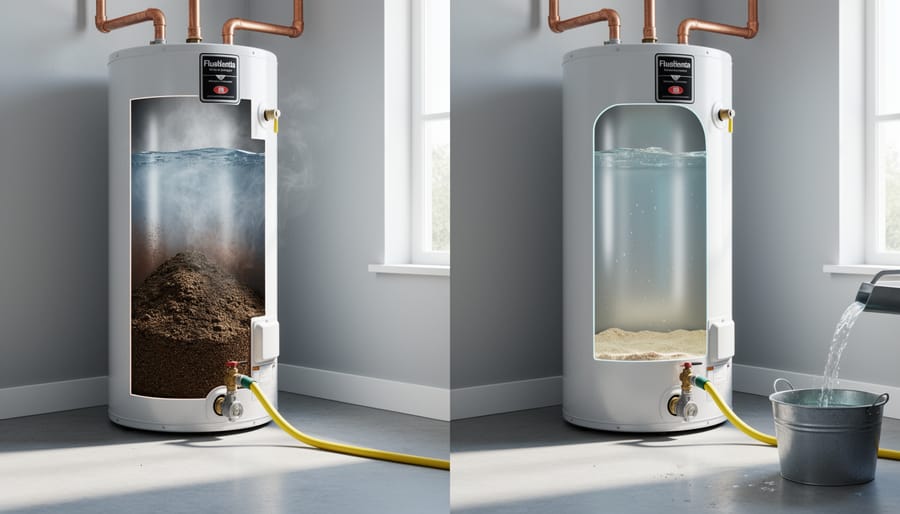
Discolored water signals internal tank corrosion or a failing anode rod. Rusty or brownish water from hot taps specifically points to tank deterioration, while sediment buildup from Seattle’s mineral content can also cause cloudiness.
Strange noises indicate sediment accumulation at the tank bottom. Popping or rumbling sounds occur when water trapped beneath hardened sediment layers overheats and explodes through the buildup. This reduces efficiency and accelerates tank wear.
Inconsistent temperatures suggest failing heating elements, thermostat problems, or excessive sediment interference. If you’re adjusting the tap constantly to get comfortable water, professional diagnosis prevents minor issues from becoming major hot water repairs.
Visible corrosion on the tank exterior or connections indicates advancing deterioration. Surface rust may seem cosmetic, but it often reflects internal problems. For integrated HVAC and hot water systems, corrosion can affect multiple components simultaneously.
Pooling water demands immediate action. Even small leaks worsen rapidly and risk flooding, water damage, and complete system failure. Shut off the water supply and call for emergency service right away.
Where to Get Expert Help in Seattle

Finding the right professional to service or replace your water heater directly impacts how long your system will last. A qualified contractor brings expertise in Seattle’s specific water conditions, building codes, and climate challenges that affect longevity.
Start by verifying licensing and credentials. Look for contractors who hold current Washington State plumbing licenses, carry adequate liability insurance, and maintain good standing with the Better Business Bureau. When evaluating potential service providers, confirm they meet these essential qualifications:
- Active Washington State contractor’s license in plumbing
- Proof of liability and workers’ compensation insurance
- Manufacturer certifications for major water heater brands
- Experience with both tank and tankless systems
- Knowledge of Seattle water quality issues and treatment solutions
- Familiarity with local building codes and permit requirements
Ask pointed questions before hiring. Does the contractor offer written warranties on labor and parts? Can they explain how Seattle’s mineral-heavy water affects different system types? What’s their average response time for emergencies? Do they stock parts for your specific model?
Emergency availability matters for longevity because small leaks and unusual sounds often signal problems that, caught early, prevent catastrophic failure. Contractors offering 24/7 service protect your investment when issues arise outside business hours.
For high-efficiency and tankless systems, seek specialists who understand condensing technology, proper venting requirements, and advanced diagnostics. Seattle Hot Plumbing combines decades of local experience with expertise in modern, efficient systems. Our technicians know how Seattle’s water chemistry impacts different models and can recommend solutions that maximize both lifespan and performance, backed by round-the-clock emergency availability when you need it most.
How to Apply or Complete the Process
Maximizing your water heater’s lifespan doesn’t require formal applications or permits for routine maintenance, but following a structured annual maintenance cycle ensures you meet manufacturer warranty requirements and catch problems early.
Start by scheduling your first professional inspection within the first year of installation. During this visit, a licensed plumber will document your system’s baseline condition, verify proper installation, and establish a maintenance schedule tailored to your water quality and usage patterns. Keep these inspection records, many manufacturers require proof of annual service to honor warranty claims.
Between professional visits, complete monthly temperature checks and quarterly visual inspections yourself. Mark these tasks on your calendar so they become routine. When your system reaches the five-year mark, schedule an anode rod inspection even if your annual service hasn’t flagged issues yet, this proactive replacement often adds years to tank-type water heaters.
For rental properties, document all maintenance in writing and provide copies to tenants. Seattle landlord-tenant law holds property owners responsible for maintaining functional hot water systems, so consistent service records protect you if disputes arise.
Frequently Asked Questions About Water Heater Longevity
How long should my water heater last in Seattle?
A traditional tank water heater typically lasts 8-12 years in Seattle, while tankless systems can reach 15-20 years with proper maintenance. Local water quality and usage patterns significantly influence these ranges, with well-maintained units often exceeding manufacturer estimates.
Does Seattle’s water quality reduce water heater lifespan?
Seattle’s moderately soft water is generally favorable for longevity compared to hard-water regions, but localized mineral content varies by neighborhood. Areas with higher mineral levels may experience faster sediment buildup, making annual flushing even more critical for extending life.
Is tankless really longer-lasting than tank systems?
Tankless water heaters typically outlast tank models by 5-10 years because they don’t store water that causes corrosion over time. However, they require descaling maintenance in areas with any mineral content, and their longevity advantage only materializes with consistent professional servicing.
When should I replace my water heater instead of repairing it?
Replace rather than repair if your unit is over 10 years old and showing multiple issues, if repair costs exceed half the replacement price, or if you’re experiencing tank leaks or severe corrosion. A single repair on a newer system usually makes financial sense, but stacking problems on an aging heater signal it’s time for replacement.
Beyond these core concerns, many Seattle property owners wonder whether they can push their water heater past the manufacturer’s projected lifespan. The answer is yes, with disciplined maintenance. Annual professional inspections, timely anode rod replacements, and regular flushing can add three to five years to a tank system’s life. Tankless units benefit even more from preventive care, sometimes reaching 25 years when descaled annually and serviced by technicians familiar with their specific demands.
Efficiency and longevity connect directly. A declining water heater works harder to maintain temperature, which accelerates wear on heating elements and internal components. You’ll notice higher energy bills before the system fails completely. If your unit suddenly needs longer recovery times or struggles to meet demand, that’s both an efficiency drop and a longevity warning. Addressing these signs early through professional service often restores performance and buys additional years rather than forcing premature replacement.
Your water heater’s lifespan isn’t predetermined. In Seattle’s unique environment, you’re looking at 8 to 12 years for conventional tanks and 15 to 20 years for tankless systems, but only if you treat them right. Skip the annual flushing and anode rod checks, and you’ll cut those numbers in half. Our moderately hard water accelerates sediment buildup and corrosion, making maintenance essential rather than optional.
The payoff extends beyond just years of service. A well-maintained system runs more efficiently, costs less to operate, and fails less often at inconvenient times. Every dollar spent on preventive care returns several in avoided emergency repairs and extended equipment life.
Start with the basics: flush your tank annually, test the pressure relief valve, watch for warning signs like discolored water or strange noises. For everything else, anode rod replacement, professional inspections, efficiency upgrades, partner with licensed professionals who understand Pacific Northwest water conditions.
Don’t wait until cold water greets you in the shower. Schedule your next maintenance check now, whether you handle the simple tasks yourself or call in experts for comprehensive service. Your future self will thank you.