 dominic
A Seattle water heater is the appliance that stores or produces the hot water your home or business relies on every day, whether it’s a tank that keeps 40 to 80 gallons warm around the clock or a tankless unit that heats water only when you turn on a tap. Most tank models last roughly 8 to 12 years, while tankless systems commonly run 15 to 20 with proper care. Seattle’s cool incoming water and damp climate put real demands on both, so the right type, size, and upkeep make a noticeable difference in comfort, energy bills, and reliability.
This guide explains how these systems work in plain terms, compares the main types suited to Pacific Northwest properties, and covers the maintenance habits that extend lifespan and keep efficiency high. We’ll also touch on safety, like pressure relief valves and gas venting, because a water heater should never be an afterthought. And if you ever wake up to a cold shower or a puddle near the tank, you’ll know what to check first and when it’s time to call in a professional.
What a Water Heater Is and Why Seattle Conditions Matter
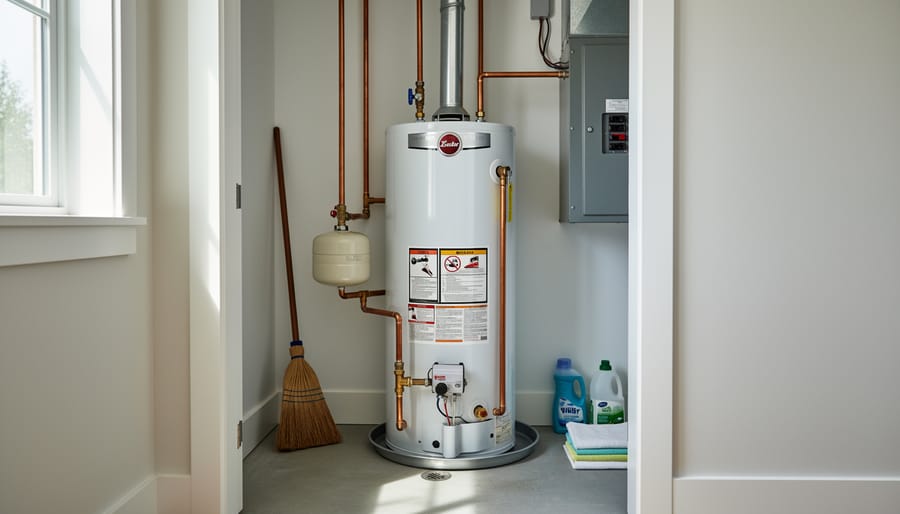
A water heater is the appliance that heats the water you use for showers, dishes, laundry, and cleaning, then keeps it ready until you turn on a tap. Most of the day it sits quietly in a basement, garage, or utility closet, cycling on and off to hold a steady temperature. You only notice it when it stops working.
For a homeowner, longevity simply means years of dependable hot water without surprise failures. Efficiency means getting that hot water while using less gas or electricity. The two are closely linked. A unit that’s well cared for tends to run cleaner, cost less each month, and need fewer repairs along the way.
Seattle adds a few wrinkles. Incoming water here is cool year-round, so your heater has to work harder to raise it to a comfortable temperature, especially in winter. Many older homes tuck the water heater into a damp basement or tight crawlspace, where moisture, limited airflow, and difficult access can speed up wear. At the same time, more Seattle households are paying attention to energy use and environmental impact, which makes efficiency a bigger part of the conversation than it used to be.
A few terms come up often when people talk about water heaters. Here’s a quick glossary in plain language:
- Tank
- The insulated vessel that stores heated water so it’s ready when you need it.
- Anode rod
- A metal rod inside the tank that corrodes first, protecting the tank walls from rust.
- Sediment
- Mineral particles that settle at the bottom of the tank and can reduce efficiency and shorten lifespan.
- Uniform Energy Factor (UEF)
- A rating that shows how efficiently a water heater turns energy into hot water; higher numbers are better.
- Flow rate (GPM)
- How many gallons of hot water per minute a unit can deliver, which matters most for tankless systems.
- Temperature and pressure relief valve
- A safety valve that opens to release excess heat or pressure before it becomes dangerous.
Knowing these basics makes it easier to understand how your system works and what keeps it running well.
How Water Heaters Work Inside Seattle Homes
Storage Tank Heaters: Heating and Holding Hot Water
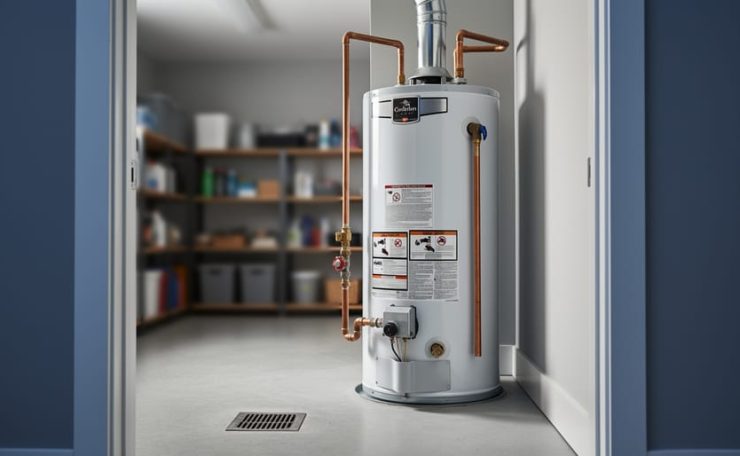
A storage tank heater is the classic setup in most Seattle basements and garages. Cold water enters through the dip tube, a plastic pipe that sends it to the bottom of the tank. There, either a gas burner beneath the tank or electric elements inside it heat the water. Hot water naturally rises, so the outlet at the top of the tank draws off the hottest water first.
A thermostat keeps everything at the temperature you set. When hot water leaves the tank, fresh cold water replaces it and the heating cycle starts again. That’s why you can run out during a long shower: the tank has to catch up.
Because the tank holds a large volume of hot water around the clock, some heat slowly escapes through the tank walls. This is called standby heat loss, and it’s the main reason tank units use energy even when nobody is home. Better insulation reduces it.
Inside the tank, the anode rod acts as a sacrificial piece of metal. It corrodes in place of the steel tank lining, which is why replacing a worn rod can add years of service.
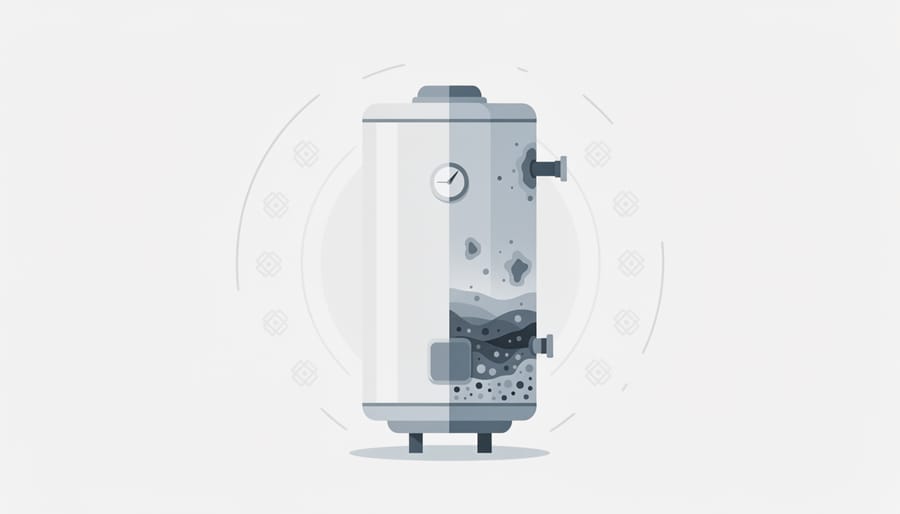
Sediment is the other quiet culprit. Minerals settle at the bottom, forming a layer that insulates the water from the burner or element. Your heater works harder, wastes energy, and may rumble or pop. Research on water heater deposit impacts shows how buildup affects performance, which is why regular flushing matters.
Tankless Heaters: Heating Water On Demand
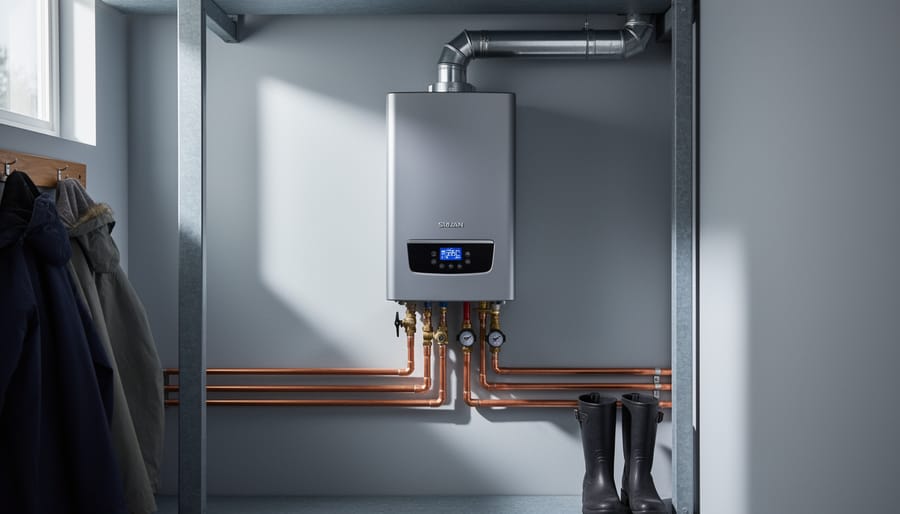
A tankless water heater skips the storage tank entirely. When you open a hot tap, a flow sensor detects the movement of water and signals the unit to fire up. Cold water passes through a heat exchanger, where a gas burner or electric elements bring it up to temperature in seconds, and hot water flows out for as long as you need it.
Because nothing sits in a tank keeping warm around the clock, tankless units avoid standby heat loss. That’s a real efficiency advantage, especially in homes where hot water use is light or irregular.
Installation takes more planning than a simple tank swap, though. Gas models often need a larger gas line than an older tank heater used, since the burner demands a lot of fuel at once. They also need proper venting, often stainless steel or specialized plastic, to carry exhaust safely outside. Gas and venting work should always be handled by a licensed professional.
Flow rate matters too. Seattle’s cool incoming water means the unit has to work harder to raise the temperature, so a heater sized only for warmer climates can struggle when several fixtures run at once. Matching the unit’s capacity to your household or business demand keeps the hot water steady.
Tankless systems aren’t maintenance-free. Mineral buildup can scale the heat exchanger, so periodic descaling helps protect both performance and lifespan.
Water Heater Types Common in Seattle and How Each Compares
Most Seattle properties use one of four system types, and each comes with its own trade-offs. The lifespans and efficiency notes below are general guidance, not guarantees, since water quality, installation, and upkeep all change the outcome. For a deeper look at what drives water heater longevity it helps to start by knowing which type you have.
Conventional storage tank heaters are the most common choice in Seattle houses, and many sit in basements or crawlspaces. Gas and electric models typically last around 8 to 12 years with decent maintenance. They cost less upfront and are simple to repair, but they lose some energy keeping a full tank hot around the clock. Newer tanks have better insulation than older ones, which narrows that gap.
Tankless (on-demand) heaters heat water only when you open a tap, so there’s no standby loss. Many last 15 to 20 years or more when they’re descaled regularly. They suit homes that want endless hot water or need to free up floor space, though they usually need properly sized gas lines and venting. That can mean extra work in older Seattle homes.
Heat pump water heaters pull warmth from the surrounding air instead of generating it directly, which makes them among the most energy-efficient electric options available. Lifespans often fall in the 10 to 15 year range. They need some clearance and a space that stays above a certain temperature, so a garage or roomy utility area works better than a tight closet. They also run a little cooler and quieter than you might expect in Seattle’s mild climate.
High-efficiency gas condensing models capture extra heat from exhaust gases, cutting fuel use compared with standard gas tanks. They’re a good fit if you want lower bills and a smaller environmental footprint while keeping gas service. This is a specialty area for us, and we’re happy to walk you through whether it makes sense for your setup.
Condos, townhomes, and small commercial spaces sometimes use compact or point-of-use units where space is tight. The best choice depends on your household size, your fuel source, and the room you have, so a quick professional assessment can save you from an expensive mismatch.
What Shortens a Water Heater’s Life (and How to Prevent It)
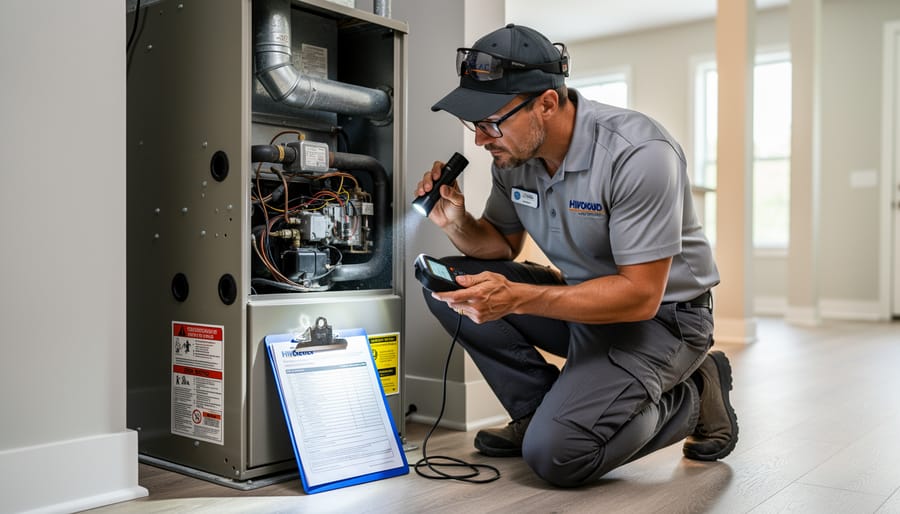
Most water heaters don’t fail suddenly. They wear out slowly, and the usual culprits are sediment, corrosion, pressure, and heat. The good news is that each one is manageable with some routine attention.
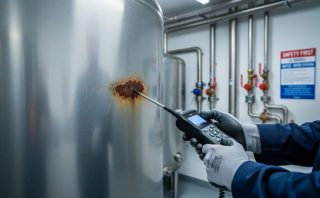
Sediment is the biggest offender in tank models. Minerals settle at the bottom, insulate the water from the burner or element, and force the unit to work harder. That means higher energy bills, popping or rumbling noises, and a tank that cooks itself from the bottom up. Corrosion is the other slow killer. Inside the tank, the anode rod is designed to rust away so the steel doesn’t, and once it’s used up, the tank itself starts to corrode.
Here’s a simple routine that keeps most systems healthy:
- Check the temperature setting (about 120°F is a safe, efficient target): every few months.
- Look around the base, pipes, and fittings for drips, damp spots, or rust: monthly.
- Test the temperature and pressure relief valve by lifting the lever briefly: once a year.
- Flush a few gallons from the tank to clear sediment: once a year.
- Inspect the anode rod and replace it if it’s heavily worn: every few years, ideally done by a licensed plumber.
- Anything involving gas lines, venting, or electrical connections: licensed professionals only.
Flushing is a manageable DIY task if you’re comfortable with it. Turn off the power or gas supply, connect a hose to the drain valve, and let it run until the water clears. If the valve is clogged or stuck, don’t force it. The anode rod and relief valve are worth a professional’s eye too, since a seized rod or a valve that won’t reseat can turn a small job into a bigger one.
Pay attention to the warning signs, too. Rust-colored water, a metallic taste, popping noises, lukewarm showers, or water that swings between hot and cold all point to something developing inside the tank. Catching these early often means a straightforward fix, and our guide to repair essential steps walks through what to expect when something does go wrong.
A word on safety: never tamper with gas, venting, or electrical components yourself. A poorly vented unit can release carbon monoxide, and a faulty connection is a fire risk. If you smell gas, leave the house and call your gas utility and emergency services right away.
A leaking tank, water pooling around the heater, or a relief valve that keeps discharging should be treated as an emergency. Shut off the power or gas and the cold water supply if you can do so safely, then call a professional. Seattle Hot Water offers 24/7 emergency service, so you’re never left waiting until morning to get hot water and peace of mind back.
Getting More Efficiency From Your Water Heater
Small changes can cut your water heating bill without sacrificing comfort. Start with the thermostat. Most households do fine at 120°F, which also lowers scald risk and slows mineral buildup inside the tank. Every few degrees you drop saves a little energy, and it adds up over a year.
Next, look at heat loss. Wrapping exposed hot water pipes with foam sleeves keeps water warm on its way to the tap, so you wait less and waste less. Many Seattle homes keep the heater in a cool basement or crawlspace, which makes this more worthwhile. Older tanks without much built-in insulation may benefit from an insulating blanket, though gas units need careful placement around the vent and burner area, so ask a licensed pro before wrapping one.
Sizing matters more than most people realize. A unit that’s too big burns energy keeping extra water hot. One that’s too small runs constantly and wears out sooner. Think about how many people shower at once, how many fixtures run together, and, for a business, your peak demand.
If your heater is aging, upgrading may be the biggest efficiency gain available. High-efficiency tanks, tankless models, and heat pump water heaters all use noticeably less energy than older standard units. Utility or manufacturer incentives and rebates may be available, so it’s worth checking before you buy.
There’s an environmental payoff, too. Using less energy means a smaller footprint, and retiring an old unit responsibly matters. Many scrap yards and recycling programs accept old tanks, and your installer can often haul away the old unit during replacement.
When Seattle Property Owners Use Different Water Heating Systems
Where a water heater lives, and who uses it, shapes almost every decision about which system to choose and how long it will hold up.
In a single-family home, a 40- to 50-gallon tank in the basement or garage is still the familiar setup. Usage is predictable: morning showers, evening dishes, weekend laundry. Because demand comes in bursts, a tank handles it well, and wear stays moderate as long as sediment is flushed regularly. Families that run several showers back to back sometimes step up to a larger tank or a tankless unit to avoid cold surprises.
Condos and multifamily buildings are a different story. Space is tight, so closet installs, wall-mounted tankless units, and compact heat pump models are common. Venting and shared utility access often limit your options, and in buildings with shared plumbing risers or underground construction affecting how lines are routed, even a simple swap can need extra planning. A licensed plumber can confirm what your building allows before you buy anything.
Commercial properties such as restaurants, salons, and small offices put the heaviest load on equipment. Constant, high-volume demand means faster wear, so right-sizing and scheduled maintenance matter even more. Many businesses use commercial-grade tanks or multiple tankless units working together for steady supply and some redundancy.
Repair versus replacement comes down to age, condition, and cost. A unit under about eight years old with a failed thermostat or element is usually worth repairing. Once a tank passes ten to twelve years, or shows leaks at the base, repeated breakdowns, or heavy corrosion, replacement typically makes more sense. Putting repair money into a failing tank often just delays the inevitable.
Seattle Water Heater FAQs
Here are straight answers to the questions Seattle property owners ask us most often. If your situation doesn’t quite fit, a licensed pro can look at your specific setup.
How long does a water heater usually last?
Most tank units give you roughly 8 to 12 years, while tankless models often run longer with regular descaling. Your water quality, usage, and maintenance all shift that range.
What are the signs it’s time to replace mine?
Rust-colored water, popping or rumbling noises, puddles near the base, and hot water that runs out fast are the big ones. If your unit is past 10 years and showing any of these, start planning for a replacement.
Is tankless worth it?
It can be, especially if you want endless hot water and lower standby energy loss. Upfront cost is higher and your gas line or venting may need upgrades, so it’s worth weighing against your household’s demand.
How often should I flush a tank?
Once a year is a good rule of thumb to clear sediment. It protects both efficiency and lifespan, and it’s one of the easiest habits to build.
What should I do if it’s leaking or there’s no hot water?
For a leak, shut off the cold water supply and the power or gas to the unit, then call a licensed plumber right away. If you smell gas, leave the building and contact your gas utility or emergency services first.
Questions about budget come up a lot too. A small repair like a thermostat replacement cost looks very different from a full swap, so it helps to compare the replacement cost against what a repair would save you before deciding.
A water heater does quiet work most of the time. You only notice it when the hot water stops. That’s why a little knowledge pays off. Knowing how your system works, what type you have, and what wears it down puts you in control, instead of leaving you waiting for a cold shower to find out something’s wrong.
In Seattle, cool incoming water, older basement installs, and a strong focus on saving energy all shape how a heater performs. Routine care goes a long way here: flush the tank, test the relief valve, keep an eye on the anode rod, and set a safe temperature. When it’s time to upgrade, a right-sized, high-efficiency model can cut energy use and cost less over the years.
For gas, venting, or electrical work, bring in a licensed professional. And if you ever face a leak or no hot water at all, don’t wait. Help is available around the clock, 24/7.