 dominic
Underground house construction refers to building structures partially or fully below grade, and the plumbing systems that serve these spaces face unique challenges that demand specialized expertise. Water pressure regulation, proper drainage against gravity, sewer ejector systems, and waterproofing integration all become critical when you’re building beneath ground level. These homes require meticulous planning during the construction phase, because mistakes buried under concrete and soil become exponentially more expensive to repair later.
Seattle homeowners considering underground construction face particular hurdles. Our region’s high water tables, persistent rainfall, and clay-heavy soils create hydrostatic pressure that can overwhelm inadequately designed drainage systems. The plumbing infrastructure must account for fixtures below the main sewer line elevation, which typically means installing pump systems to lift wastewater up and out. Freshwater supply lines need pressure-reducing valves to handle the increased static pressure from elevation differences, while foundation drains must tie into storm systems that can handle Pacific Northwest rainfall volumes.
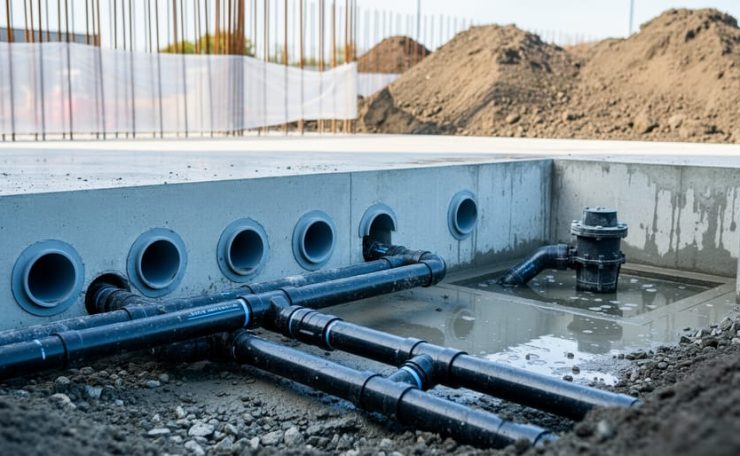
The foundation work sets the stage for everything that follows. Plumbing penetrations through foundation walls become potential failure points where water intrusion meets opportunity, so proper sleeve installation and sealing techniques aren’t optional. Backwater valves prevent sewage from flowing back into below-grade spaces during heavy rain events, a real concern given Seattle’s stormwater infrastructure challenges. Accessibility for future repairs should guide every pipe routing decision, because excavating around an occupied underground structure borders on nightmare territory.
Professional oversight during the underground construction phase saves thousands in avoided repairs. The right systems installed correctly from day one mean decades of reliable service. The wrong approach means chronic moisture problems, recurring backups, and structural damage that compounds over time.
What Underground Construction Actually Means in Plumbing
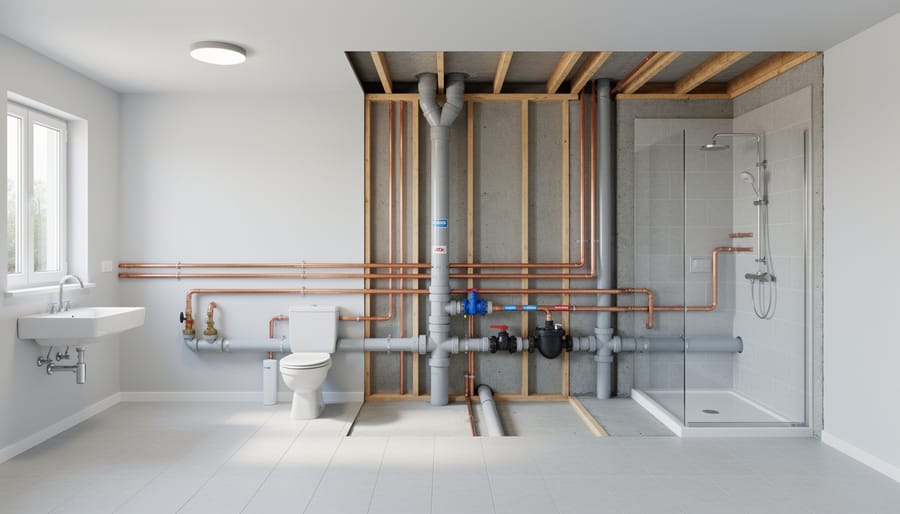
When plumbers talk about underground construction, they’re referring to all the hidden infrastructure beneath your property that makes modern living possible. This isn’t just pipes in your basement, it’s an entire network of systems buried anywhere from a few feet to several yards below the surface, working around the clock to deliver clean water, remove waste, and keep your property safe and functional.
The typical Seattle property relies on several critical underground components. Your main water service line runs from the city connection to your building, delivering potable water under pressure. The sewer lateral carries wastewater from your drains to the municipal sewer system or septic tank. Storm drains handle rainwater runoff, especially crucial in our wet climate. Gas lines supply natural gas to furnaces, water heaters, and appliances. Foundation drains prevent water from pooling around your building’s base, protecting structural integrity.
- Sewer Lateral
- The private pipe connecting your home’s plumbing to the city sewer main, typically 4 to 6 inches in diameter. You own and maintain this line from your foundation wall to the connection point, often located under the street.
- Water Service Line
- The pipe delivering pressurized water from the municipal main to your property, usually 3/4 to 1 inch in diameter. Damage here can flood your property and rack up massive water bills.
- Foundation Drains
- Perforated pipes installed around your foundation’s perimeter to collect and redirect groundwater away from the building. Without properly functioning drains, water pressure can crack foundations and flood basements.
- Storm Drain System
- Separate piping that channels rainwater from gutters, driveways, and yards to municipal storm sewers. Seattle requires these systems to be completely separate from sanitary sewers to prevent overflow during heavy rain.
Each system serves a distinct purpose, but they all share common vulnerabilities. Tree roots seek moisture and nutrients, infiltrating pipes through tiny cracks. Ground shifting from freeze-thaw cycles, settling, or seismic activity can misalign joints. Corrosion gradually weakens metal pipes, while age makes even modern materials brittle.
The challenge for property owners is that these systems remain invisible until something goes wrong. You can’t inspect them with a casual walkthrough, and problems often develop gradually over years before becoming obvious. That hidden nature makes professional expertise essential, knowing what’s down there, how it was installed, and what warning signs to watch for can prevent a minor issue from becoming a property-damaging catastrophe.
Seattle’s Unique Underground Challenges
Soil and Terrain Considerations
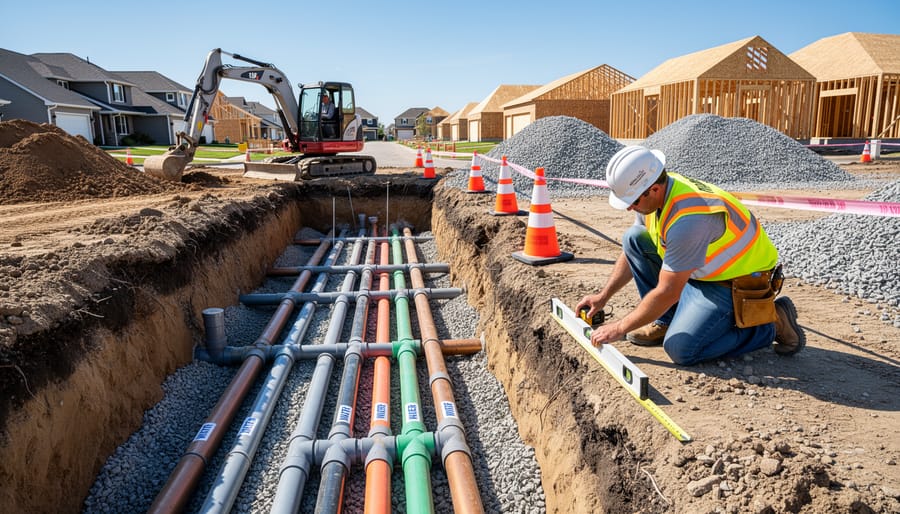
Seattle’s subsurface presents a patchwork of challenges that demand adaptable excavation strategies. Within a single property, crews often encounter dense glacial till left by Ice Age glaciers, clay layers that hold water like a sponge, and pockets of loose sand that shift during digging. Each soil type dictates different equipment choices and installation techniques, clay requires dewatering systems to prevent trench collapse, while sandy areas need careful shoring to maintain stable working conditions.
Glacial till, common across much of Seattle, contains compacted boulders and gravel that can damage equipment and slow progress. Excavating through this material sometimes requires specialized machinery and extra labor hours. Clay-heavy zones, particularly in lower-lying neighborhoods, complicate trenching during wet months because they retain moisture and turn soupy under load. The Seattle sewer design requirements account for these variables by mandating proper bedding and backfill specifications that match soil conditions.
Professionals assess soil composition before breaking ground, using test pits or geotechnical data to anticipate obstacles. This upfront analysis prevents mid-project surprises and ensures pipe installations meet structural and drainage standards regardless of what lies beneath your yard.
Weather and Water Table Issues
Seattle’s legendary rainfall, averaging 37 inches annually, creates persistent challenges for underground construction that extend well beyond simply working in wet conditions. The region’s high water table, particularly in low-lying neighborhoods near Puget Sound and Lake Washington, means excavations often encounter saturated soil or standing water even during dry months.
This saturation complicates trenching and pipe installation in several ways. Waterlogged soil loses structural integrity, increasing cave-in risks and requiring more extensive shoring. Concrete curing times extend significantly when moisture levels are high, and certain pipe-joining materials won’t bond properly in wet conditions. Dewatering pumps become essential equipment rather than occasional tools, adding time and cost to projects.
Timing matters considerably. Most experienced contractors schedule major underground work for Seattle’s relatively dry summer months (July through September) when the water table drops and soil conditions stabilize. Winter projects face not only rain delays but also the challenge of maintaining proper drainage while installing systems designed to handle stormwater. Poor drainage during construction can lead to premature settling, joint failures, or compromised backfill compaction, problems that won’t surface until months or years later.
Common Underground Construction Projects for Homes and Businesses
Underground plumbing projects range from straightforward repairs to complex installations that reshape your property’s entire infrastructure. Understanding what each project involves helps you plan appropriately and communicate effectively with contractors.
Sewer Line Replacement and Repair
When your main sewer line fails, you’re facing one of the most critical underground projects. This work involves replacing damaged pipes that carry wastewater from your property to the municipal system. In Seattle’s older neighborhoods, clay or cast-iron pipes from the 1940s and 50s commonly need replacement. The project typically requires excavating a trench from your foundation to the street connection, though modern trenchless methods can sometimes eliminate extensive digging. Expect significant yard disruption if traditional excavation is necessary, with restoration of landscaping, driveways, or sidewalks adding weeks to the timeline.
Water Main Installation and Upgrades
Replacing or upgrading your water main becomes necessary when old galvanized pipes corrode, when you’re experiencing persistent low pressure, or during major renovations that increase water demand. This project brings fresh water from the street connection to your building’s foundation. The work demands precise planning because you’ll need a temporary water supply during installation, and Seattle’s strict cross-connection control regulations add complexity. Businesses particularly need careful scheduling to minimize operational downtime.
Foundation-Level Drainage Systems
Properties battling basement moisture or foundation water intrusion often need perimeter drain systems installed around the building’s footprint. These systems capture groundwater before it penetrates your foundation, routing it to storm drains or dry wells. Installation requires excavating down to your footer level, which means heavy equipment operating close to your structure and substantial soil removal.
| Project Type | Typical Duration | Disruption Level | Complexity |
|---|---|---|---|
| Sewer Line Replacement | 3-5 days | High | Moderate to High |
| Water Main Upgrade | 1-3 days | Moderate | Moderate |
| Foundation Drainage | 5-7 days | High | High |
| Gas Line Installation | 1-2 days | Low to Moderate | High (safety-critical) |
| Storm Drain Connection | 2-4 days | Moderate | Moderate |
Underground Gas Line Installation
Adding or relocating natural gas service requires specialized expertise and careful coordination with utility companies. While gas line projects typically involve less excavation than water or sewer work, the stakes are higher because mistakes create serious safety hazards. Seattle’s seismic requirements add specific installation standards that affect routing and anchoring.
New Construction Underground Systems
Building new structures demands complete underground infrastructure from scratch, including all utilities, drainage, and sewer connections. These projects offer the advantage of coordination with overall construction schedules, but they require meticulous planning to ensure proper slope, adequate depth, and code compliance before concrete gets poured. The foundation phase locks in your underground layout permanently, making accuracy critical from the start.
Signs You Need Underground Plumbing Work
Your property often sends clear signals when underground plumbing problems develop, and catching them early can save you from emergency repairs and extensive property damage. Here’s what to watch for.
Multiple slow drains throughout your home suggest a main sewer line issue rather than individual fixture clogs. If plunging doesn’t help and several drains back up simultaneously, the problem likely lies underground where your home’s waste lines connect to the city system.
Persistent foul odors near foundation walls or in your yard indicate possible sewer line cracks or breaks. These smells won’t disappear with regular cleaning because they’re coming from underground. Similarly, if you notice sewage backing up through floor drains or your lowest fixtures during heavy rain, your underground drainage system can’t handle the flow.
Unexplained patches of extra-green grass or soggy areas in your yard, especially when it hasn’t rained, often point to leaking sewer or water lines underground. The moisture and nutrients from sewage create obvious growth patterns, while water line leaks produce persistently wet soil.
Water pressure problems affect your entire property when main supply lines develop issues underground. If hot water repairs haven’t solved pressure issues, or if water tank repairs didn’t restore normal flow, the problem may be in your underground supply lines.
Listen for gurgling sounds from toilets or drains when no water is running. These noises indicate air in your lines, often caused by blockages or damage in underground pipes trying to equalize pressure.
Foundation cracks that appear suddenly or worsen quickly can result from shifting soil due to underground leaks. Pay attention to cracks in concrete slabs, basement walls, or pooling water around your foundation.
Finally, an unexplained spike in your water bill without increased usage strongly suggests an underground leak. Even small cracks can waste thousands of gallons monthly, and the problem will only worsen over time.
The Underground Construction Process: What to Expect
Understanding what happens during an underground plumbing project removes much of the anxiety property owners feel when facing excavation work. While every project has unique elements, the basic process follows a predictable sequence that professional contractors have refined over thousands of installations.
Initial Assessment and Planning
Before any digging starts, licensed plumbers conduct a thorough site evaluation. This includes locating existing utility lines using specialized detection equipment, reviewing property permits and surveys, and often performing camera inspections of current underground systems. We assess soil conditions, identify potential obstacles like mature tree roots or buried debris, and determine the most efficient excavation route. This planning phase typically takes one to three days and prevents costly surprises once work begins.
Permitting and Utility Coordination
Seattle requires permits for most underground plumbing work, and obtaining them isn’t optional. Professional contractors handle permit applications, coordinate with the city’s utility locating service, and schedule required inspections. This administrative phase runs concurrently with planning and usually adds three to seven business days before excavation can start. Skipping permits creates legal and insurance nightmares that far outweigh any perceived time savings.
Excavation and Exposure
Once permits clear, excavation begins. Modern equipment allows precise digging that minimizes lawn and landscape damage. Contractors mark the work zone, protect surrounding areas with barriers, and systematically remove soil to expose the work area. Depending on project scope, excavation might take anywhere from a few hours for a simple repair to several days for extensive replacement. Excavated soil gets stockpiled on-site for later backfill or hauled away if contaminated or excessive.
Installation and Testing
With the trench open, installers remove old piping and install new lines according to engineered specifications. This involves careful grading to ensure proper drainage, secure connections at every joint, and integration with existing systems. Before backfilling anything, contractors perform pressure tests and camera inspections to verify installation quality. City inspectors review the work at this stage. Cutting corners during installation means tearing everything up again later.
Backfill and Restoration
After inspection approval, contractors backfill the trench in layers, compacting soil at intervals to prevent future settling. Surface restoration varies by project scope, from simple grass reseeding to full landscape reconstruction. Most contractors guarantee their restoration work, though property owners should understand that newly disturbed ground may settle slightly over the first year.
Timeline Reality Check
A straightforward sewer line replacement typically takes three to five days from excavation to final cleanup. Complex projects involving multiple systems or difficult access can extend to two weeks. Weather delays happen in Seattle, particularly during winter months when saturated soil becomes unworkable. Professional contractors provide realistic timelines upfront and communicate promptly about any changes.
The process requires temporary disruption, but experienced contractors minimize inconvenience through careful planning and efficient execution.
Technology and Techniques That Minimize Disruption
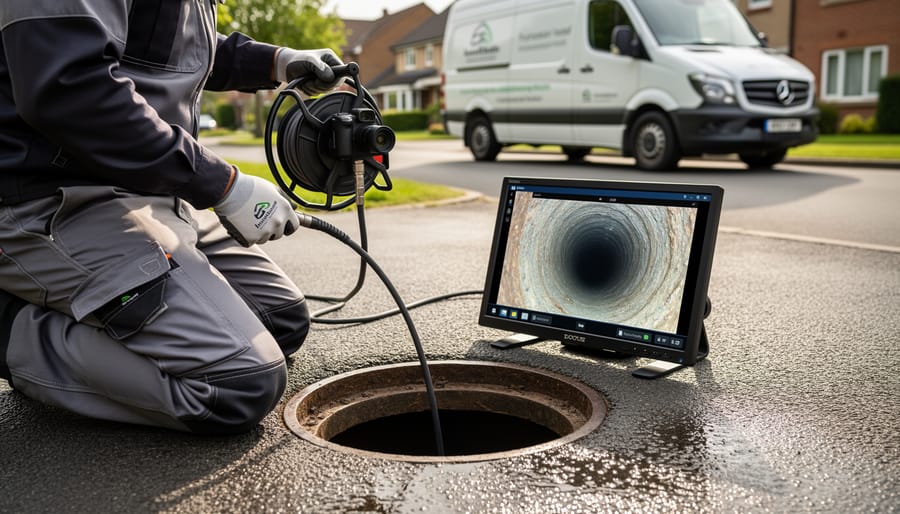
Modern technology has revolutionized underground plumbing work, making it far less invasive than the massive excavation projects property owners once had to endure. Trenchless technology, in particular, has changed how we approach underground repairs and installations, often requiring only small access points rather than tearing up entire yards or driveways.
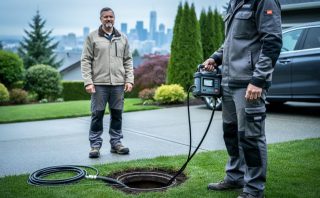
Camera inspection technology allows us to diagnose underground issues with remarkable precision before any digging begins. We thread fiber-optic cameras through existing pipes to identify cracks, blockages, root intrusions, and deterioration. This means we know exactly where the problem is and what approach will work best, eliminating guesswork and unnecessary excavation.
Pipe bursting is a particularly effective technique for replacing damaged sewer lines. We pull a new pipe through the old one while simultaneously breaking apart the old pipe, all without the extensive trenching traditional methods require. This approach preserves landscaping, hardscaping, and existing structures while delivering a completely new underground system that supports whole-home comfort and reliability.
Pros
- Minimal surface disruption preserves landscaping and hardscaping.
- Faster completion times reduce inconvenience and labor costs.
- Access points require less restoration work after completion.
- Equally durable results compared to traditional excavation methods.
Cons
- Higher upfront equipment costs can increase project pricing.
- Not suitable for every situation, particularly severely collapsed pipes.
- Requires specialized training and equipment availability.
- Limited effectiveness in extremely tight spaces or complex routing.
Horizontal directional drilling creates new underground pathways without open trenches, steering pipes beneath obstacles like driveways, tree roots, or existing foundations. When excavation is necessary, hydro-excavation uses pressurized water instead of mechanical digging near sensitive utilities, preventing accidental damage to existing infrastructure. These techniques consistently deliver quality results while respecting your property and minimizing the disruption that underground work inevitably brings.
Why Professional Expertise Matters Underground
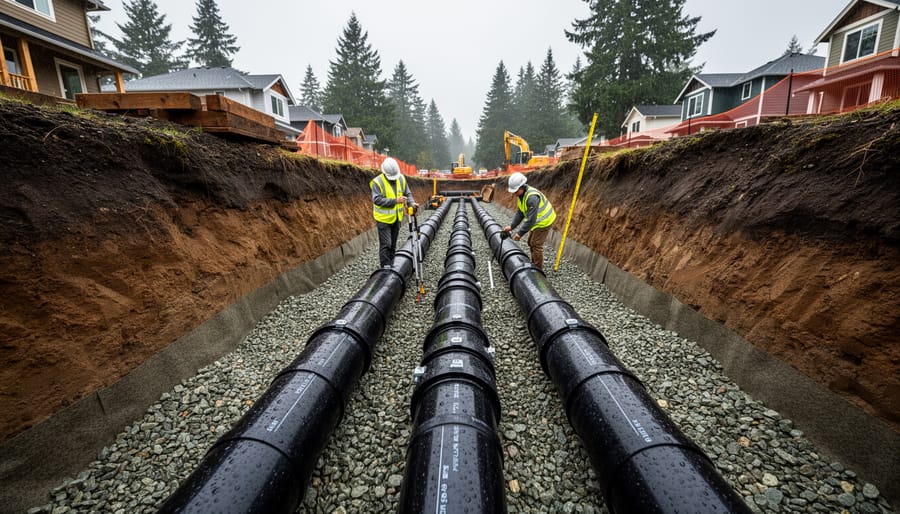
Underground plumbing work isn’t like replacing a faucet or unclogging a drain. Once you’re digging below ground level, the stakes multiply fast. A mistake three feet underground can compromise your foundation, contaminate groundwater, or create hazards that won’t surface until significant damage has occurred.
Unlicensed contractors and DIY attempts on underground systems frequently miss critical details that licensed professionals handle routinely. Proper slope calculations for drainage lines, correct backfill compaction, appropriate bedding materials, and code-compliant connections all require specialized knowledge. Get the slope wrong by even half a degree, and your sewer line will clog repeatedly. Use the wrong backfill, and settling soil can crack pipes within months.
Code violations pose serious financial risks beyond the immediate work quality. Seattle’s plumbing codes exist for legitimate safety and environmental reasons. Unpermitted underground work discovered during property inspections can halt sales, require expensive corrections, and result in fines. Insurance claims related to faulty underground plumbing may be denied if the work wasn’t performed by licensed professionals.
Environmental contamination represents another significant risk. Underground plumbing connects directly to municipal systems and local water tables. Improper connections, cracked pipes, or inadequate sealing can allow sewage to leak into surrounding soil and groundwater. The cleanup costs and legal liability from contamination events routinely exceed tens of thousands of dollars.
Structural damage from careless excavation happens more often than homeowners realize. Digging too close to foundations, cutting through support systems, or creating voids under structures can compromise building stability. Licensed plumbers understand setback requirements and use proper shoring techniques to protect existing structures during underground work.
Safety hazards during excavation include trench collapses, utility strikes, and exposure to toxic gases in existing sewer lines. Professional plumbers use cave-in protection, call utility locators before digging, and employ gas detection equipment. These aren’t optional precautions when working underground.
Licensed professionals also carry proper insurance and warranties. If something goes wrong with underground work, you need recourse. That protection disappears with unlicensed contractors or DIY projects, leaving you responsible for corrections and any resulting damage.
Environmental and Long-Term Considerations
When you invest in underground plumbing infrastructure, you’re making decisions that will affect your property for 50 years or more. The materials you choose today determine whether your next major underground work happens in a decade or half a century. Modern piping materials like PEX and HDPE offer superior longevity compared to older clay or cast iron, resisting corrosion and root intrusion while adapting to soil movement during seismic events.
Seattle’s environmental regulations reflect the reality that underground systems directly impact our watershed and Puget Sound ecosystem. Leaking sewer lines contaminate soil and groundwater, while aging water mains waste thousands of gallons through hidden leaks. Proper installation with appropriate backfill, bedding materials, and depth considerations prevents these failures. When you’re planning comprehensive property improvements, coordinating underground work with upgrades like water softener costs or water filtration systems makes sense since you’re already excavating.
The financial calculus is straightforward. Quality underground construction costs more upfront but eliminates the cycle of emergency repairs, repeated excavation, and landscape restoration that poorly installed systems require. You’re also protecting your property’s resale value since home inspectors and buyers increasingly scrutinize underground infrastructure condition. Properties with documented, professionally installed underground systems command premium prices and sell faster than those with aging, uncertain infrastructure.
Consider too that each excavation disturbs soil structure, disrupts landscaping, and creates construction waste. Getting it right the first time means your yard, driveway, and foundation remain undisturbed for generations rather than facing repeated digging projects every few years.
Underground plumbing systems operate silently beneath your property until something goes wrong, and when they fail, the consequences can be expensive and disruptive. That’s why professional expertise matters from the start. Proper underground construction protects your investment, ensures code compliance, and prevents the kind of failures that lead to emergency calls at 2 a.m.
Seattle Hot Plumbing understands that underground emergencies don’t wait for business hours. Whether you’re dealing with a sudden sewer backup or planning a major underground installation, our team is available 24/7 to respond when you need us most. We combine advanced technology with local expertise to handle Seattle’s unique underground challenges.
Don’t wait for a crisis to think about what’s beneath your property. Regular inspections catch small issues before they escalate into major problems. If you’re noticing warning signs like slow drains, unusual odors, or wet spots in your yard, address them now rather than later.
Your underground plumbing infrastructure is too important to leave to chance. Contact Seattle Hot Plumbing for professional assessment, quality installation, or emergency service, we’re ready whenever you need us.